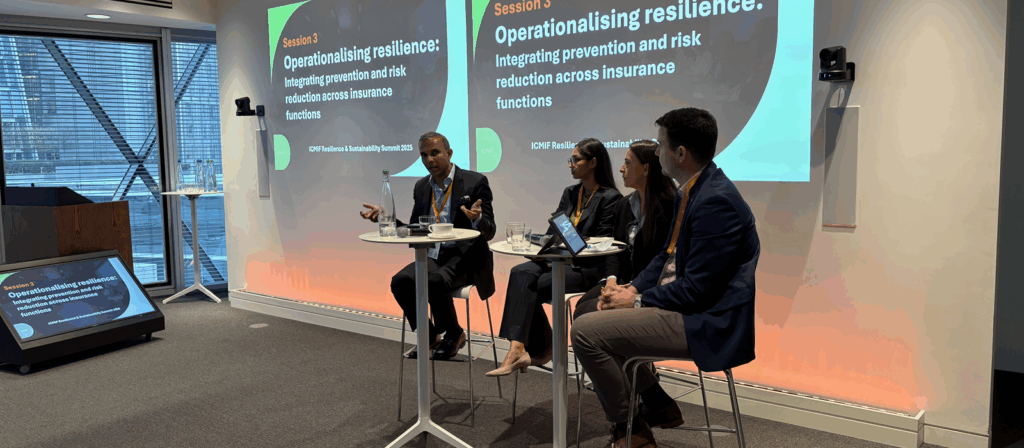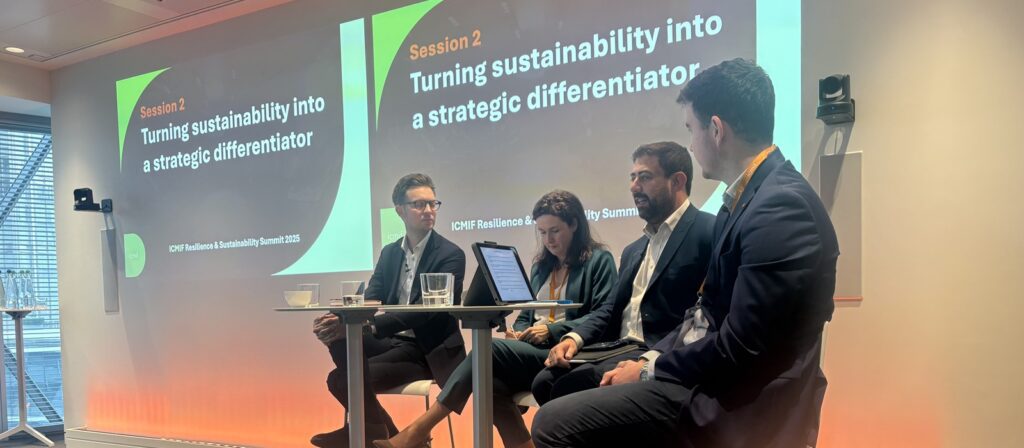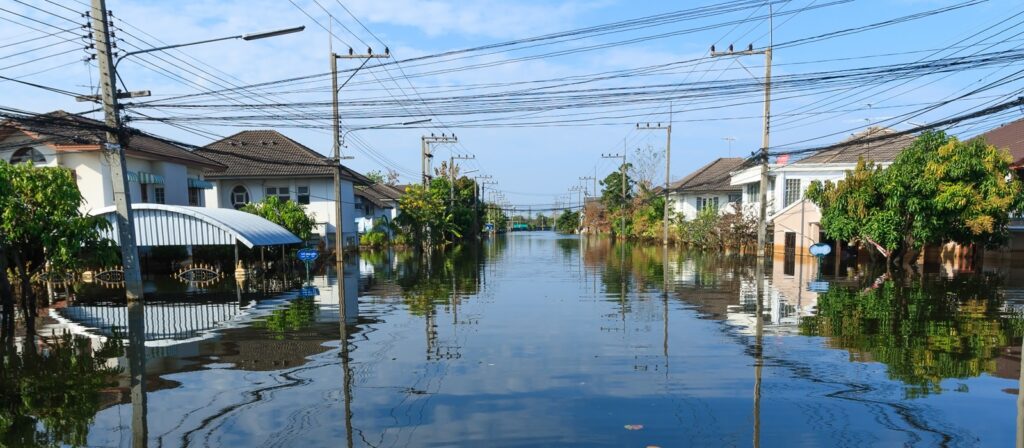
Climate resilience has become a defining challenge for insurers worldwide, prompting mutual and cooperative companies to rethink their roles within communities. LocalTapiola, Wawanesa, and Desjardins demonstrate how mutual models can drive impactful climate action, blending local relevance with strategic ambition.
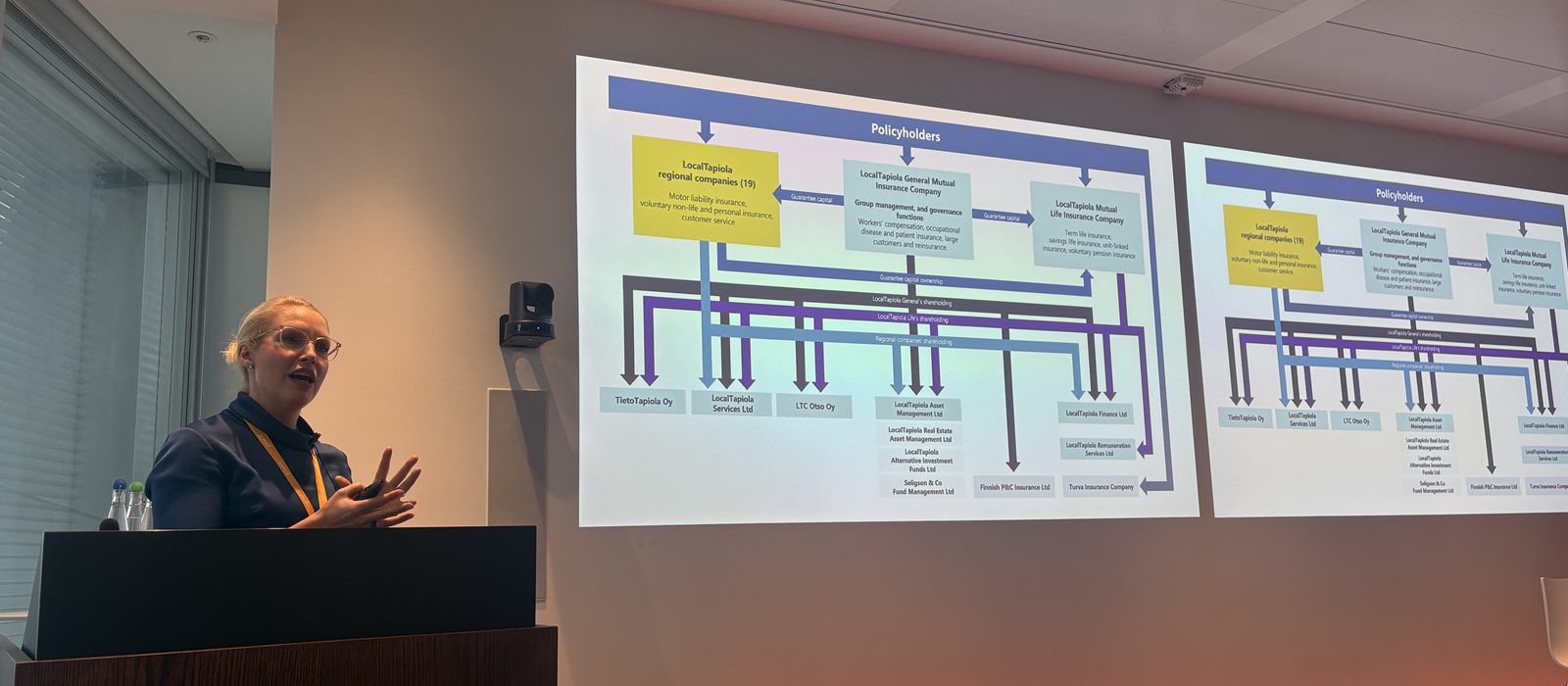
LocalTapiola, a Finnish mutual insurance group, operates through a network of fiercely independent regional companies. Its approach to climate resilience is deeply embedded in local identity, with sustainability initiatives designed to resonate with both regional firms and their customers. Historically, sustainability was equated with charitable donations, but the company has gradually shifted towards integrating business growth and customer benefit into its sustainability agenda.
A flagship initiative is the SME Climate Work Programme, developed in partnership with regional chambers of commerce. This programme supports small and medium-sized enterprises (SMEs) in navigating climate challenges, offering tailored guidance and funding for climate action. The initiative has grown from supporting 200 SMEs to over 650, with a commitment to ongoing funding as long as demand persists. Participating companies gain access to emission calculators and recognition badges, enhancing their credibility in supply chains and public tenders.
LocalTapiola’s journey illustrates the importance of local ownership and relevance. By aligning sustainability with regional priorities and customer needs, the company has fostered genuine buy-in and expanded the impact of its climate programmes.
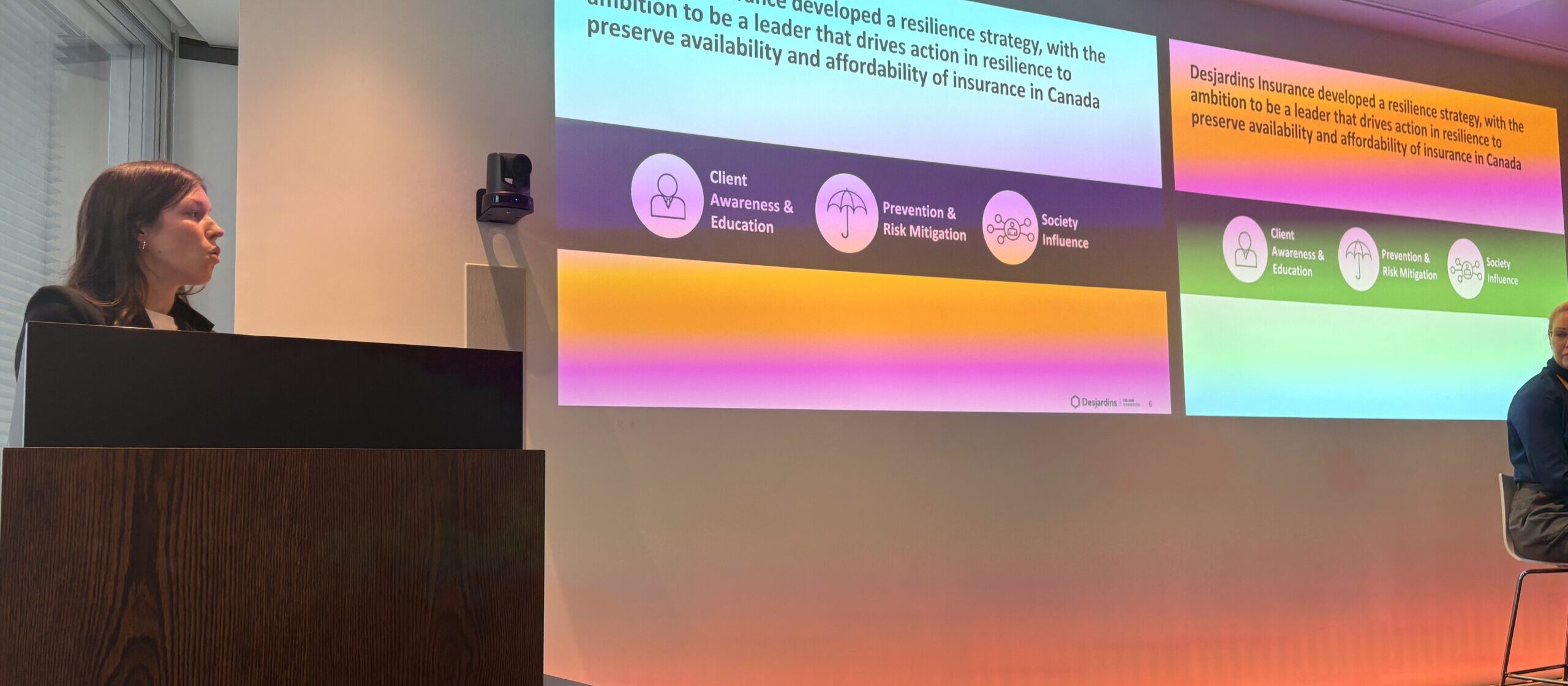
Desjardins, a Canadian financial cooperative, leverages its expertise in property and casualty insurance to address the increasing frequency and severity of natural catastrophes. The company’s strategy centres on three pillars: client awareness and education, prevention and risk mitigation, and societal influence.
Client education is seen as essential for moving individuals from awareness to action. Desjardins conducts surveys to understand client perceptions of climate risk and resilience, revealing that while half of Canadians have heard of home resilience, only a small fraction truly understand it. The company tailors its approach to regional realities, ensuring that advice and solutions are relevant to local climate hazards.
Prevention and risk mitigation are embedded in insurance solutions. Desjardins offers “build back better” options, providing additional funds for clients to rebuild with resilient materials after climate-related losses. These measures not only reduce future risks but also help maintain the affordability and availability of insurance.
Societal influence is pursued through collaboration with stakeholders such as governments, home builders, and research institutes. The company advocates for resilience in building codes and disaster recovery programmes, aiming to drive systemic change across the sector.
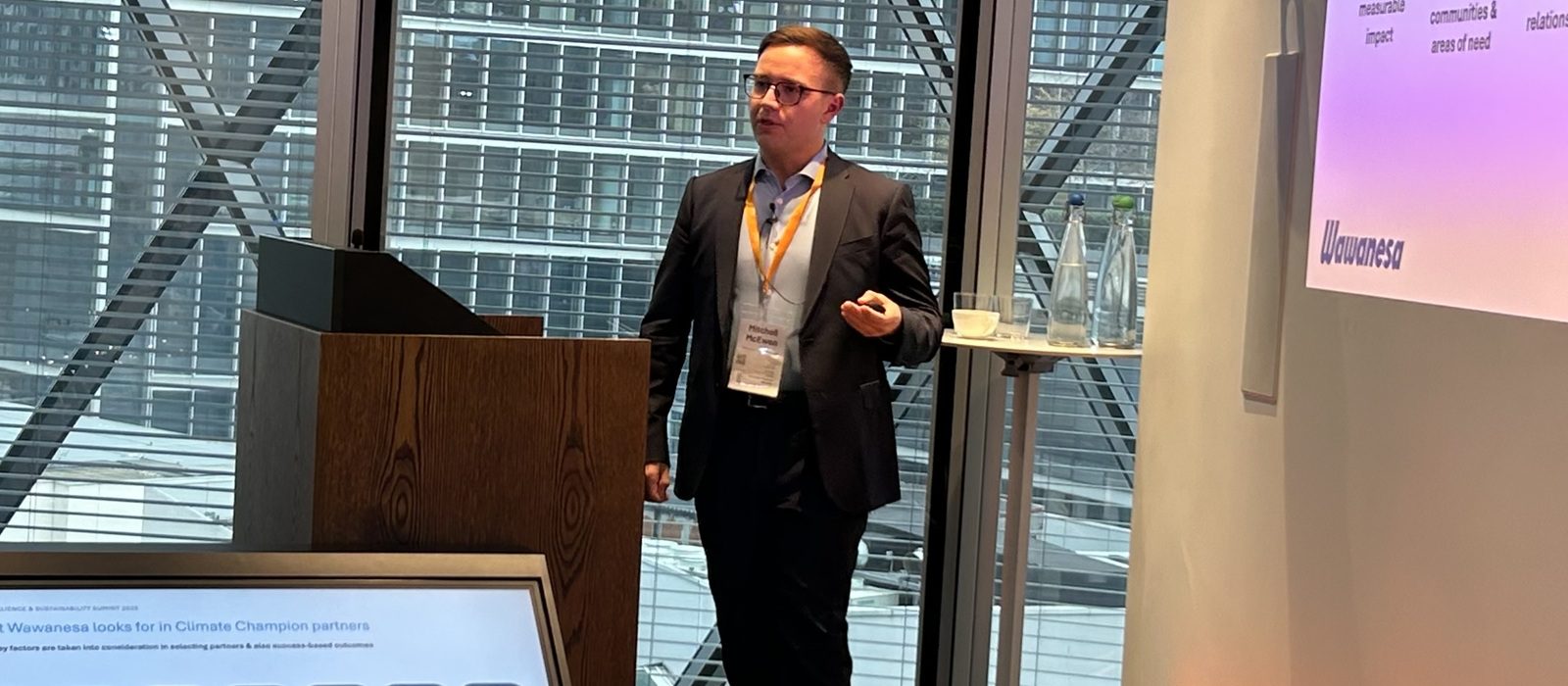
Wawanesa, also a Canadian mutual insurer, places community at the heart of its climate resilience strategy. Founded on the principles of mutuality and shared responsibility, the company now serves over 1.8 million members across Canada.
The Climate Champions programme exemplifies Wawanesa’s commitment to supporting frontline climate resilience. This annual investment funds environmental guardians, community protectors, and youth innovators, with projects ranging from floodplain restoration to wildfire prevention and tree planting. The company partners with organisations such as WWF Canada and Fire Smart Canada, deploying nature-based solutions to reduce vulnerability and empower communities.
Wawanesa also emphasises employee engagement, offering paid volunteer days and facilitating team-based community projects. These initiatives strengthen local ties and foster a culture of collective action.
The experiences of LocalTapiola, Desjardins, and Wawanesa highlight several key lessons for climate resilience in the insurance sector:
- Local relevance: programmes must be tailored to regional needs and priorities to secure genuine engagement.
- Integrated strategy: sustainability should be woven into business growth, customer benefit, and risk management.
- Collaboration: partnerships with chambers of commerce, governments, and research institutes amplify impact and drive systemic change.
- Empowerment: education and support enable clients and communities to take meaningful action.
- Continuous learning: ongoing refinement and adaptation are essential as climate risks evolve.
Mutual and cooperative insurers are uniquely positioned to lead on climate resilience, leveraging their community focus and long-term perspective. By aligning purpose with action, these organisations demonstrate that climate resilience is not a one-off achievement, but a journey nurtured across generations.
Speakers:
- Eeva Salmenpohja, SVP Group Sustainability and Communications, LocalTapiola (Finland)
- Mitch McEwen, Director, Sustainability & Climate Resilience, Wawanesa (Canada)
- Jennifer Faucher Favreau, Strategic Advisor, Desjardins General Insurance Group (Canada)