Río Uruguay Seguros (RUS), a cooperative insurer based in Argentina, exemplifies the innovative integration of financial inclusion, sustainability, and profitability within its operations. RUS’s approach to financial inclusion revolves around the “5 A’s”: Accessibility, Affordability, Awareness, Availability, and Acceptability. It recognises that traditional insurance models often fail to meet the needs of underserved communities. To bridge this gap, RUS has opened branches in vulnerable neighbourhoods, employing locals to build trust and tailor insurance products to meet specific community needs. By leveraging InsurTech partnerships, the organisation adapts its services, such as providing microinsurance for high-value household items, recognising the significance of these possessions to families.
The organisation underscores the importance of generating economic, social, and environmental value simultaneously. As a cooperative, RUS is uniquely positioned to prioritise sustainability, a strategy proven to enhance profitability in such models. Its commitment extends to fostering gender equality, supporting women entrepreneurs, and promoting labour market inclusion through scholarships and professional training programmes in insurance.
Historically rooted in solidarity and risk-sharing, insurance, according to RUS, is more than a financial instrument—it is a mechanism for fostering social equity. RUS emphasises that inclusivity is intrinsic to the insurance sector’s origins, tracing its roots back to cooperative communities rather than profit-driven ventures. This philosophy shapes its sustainability efforts, such as parametric insurance initiatives and partnerships with the UN to address biodiversity risks. These projects highlight RUS’s belief in long-term strategies over short-term gains, aligning with broader global efforts to combat climate change and social inequality.
RUS champions the notion that insurance is not merely an industry but an activity that fundamentally contributes to societal well-being. Its mission to educate communities about the transformative role of insurance remains pivotal. By investing in cultural awareness and collaboration, RUS seeks to ensure that everyone, regardless of socioeconomic status, can benefit from financial protection.
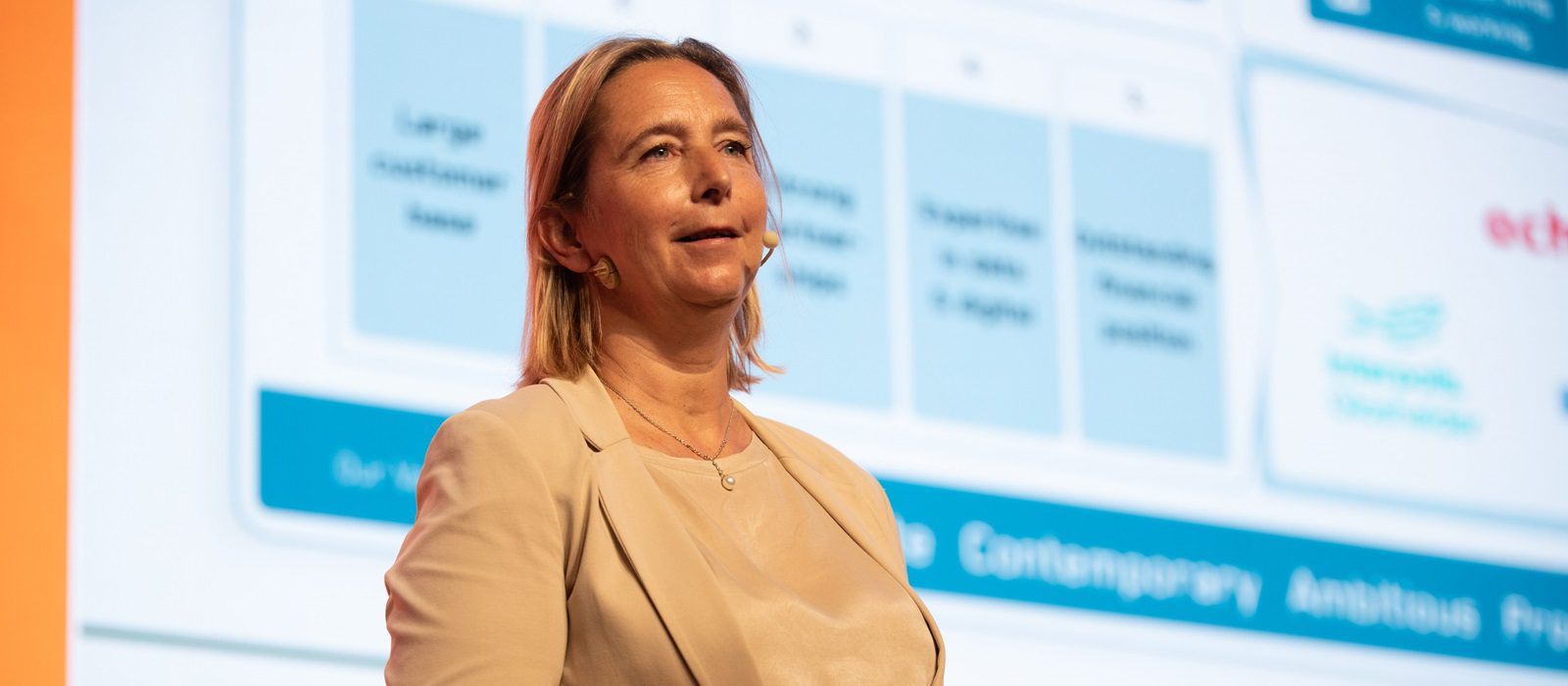
Sustainability underpins Achmea’s (Netherlands) purpose, “sustainable living together,” which reflects its commitment to long-term societal and environmental resilience. This ethos is integrated across its diverse operations, which include health insurance, asset management, real estate investments, and banking. By leveraging its €200 billion in assets under management, Achmea aims to create value for customers and society while addressing global challenges.
Achmea has set ambitious climate goals, targeting net-zero emissions for its own operations by 2030, its equity and corporate bonds portfolios by 2040, and its overall investment and insurance portfolios by 2050. Recognising the importance of measurable progress, the organisation uses international frameworks such as the OECD Guidelines and UN Sustainable Development Goals. Collaboration is key, with Achmea actively participating in global initiatives and aligning with industry-wide standards to accelerate the transition to a sustainable economy.
In addition to environmental objectives, Achmea prioritises social impact through its products and partnerships. Initiatives focus on areas like smart mobility, accessible healthcare, and income security. For example, Achmea collaborates with agricultural clients to explore sustainable practices, such as transitioning from livestock farming to soy cultivation. This engagement fosters innovation while supporting the sector’s ecological transformation.
To embed sustainability across its workforce, Achmea launched a comprehensive e-learning programme, with over 6,000 employees completing the training within three weeks. Initiatives like “climate week” bring global experts to engage employees, fostering a unified commitment to sustainability goals.
Co-operators, a Canadian financial services cooperative, has made sustainability the cornerstone of its business strategy. The organisation’s sustainability journey began formally in 2005, and since then, Co-operators has embedded sustainability across its operations, transitioning from “getting its house in order” to positioning sustainability as its overarching organisational strategy. This progression includes embedding sustainability in governance structures, with a dedicated sustainability committee ensuring alignment across all facets of the organisation.
As part of its purpose—ensuring financial security for Canadians and their communities—Co-operators has prioritised climate resilience. Recognising climate change as a direct threat to financial security, it has integrated climate adaptation into its long-term goals and investments. The organisation’s investment portfolio reflects this priority, with 25% of assets currently allocated to impact investments. By 2030, it aims to raise this figure to 60%, supporting climate solutions, resilience, and transition efforts.Sustainability is embedded in Co-operators’s governance, with its board actively driving the agenda. The organisation aligns its metrics and targets with the United Nations Sustainable Development Goals, measuring progress through external ratings such as Corporate Knights.
Co-operators has pioneered several market-leading initiatives. It was the first insurer in Canada to offer comprehensive flood insurance nationwide, addressing a critical gap in coverage. More recently, its Tomorrow Strong programme helps clients rebuild properties with resilient features after disasters. These initiatives exemplify the cooperative’s ability to translate sustainability into tangible benefits for its members. Acknowledging that sustainability challenges require collective action, Co-operators leverages its cooperative heritage to foster collaboration. Partnerships, such as its involvement in the Climate and Equity Lab, demonstrate its commitment to driving systemic change beyond its organisational boundaries.
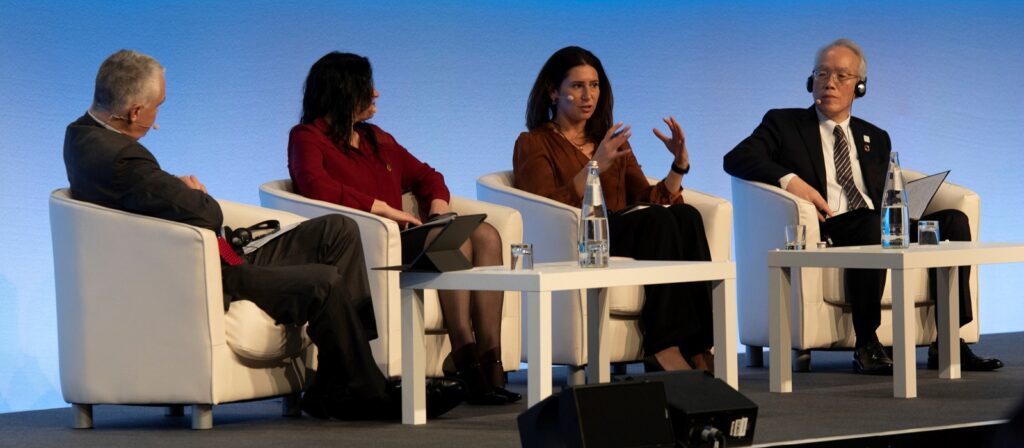
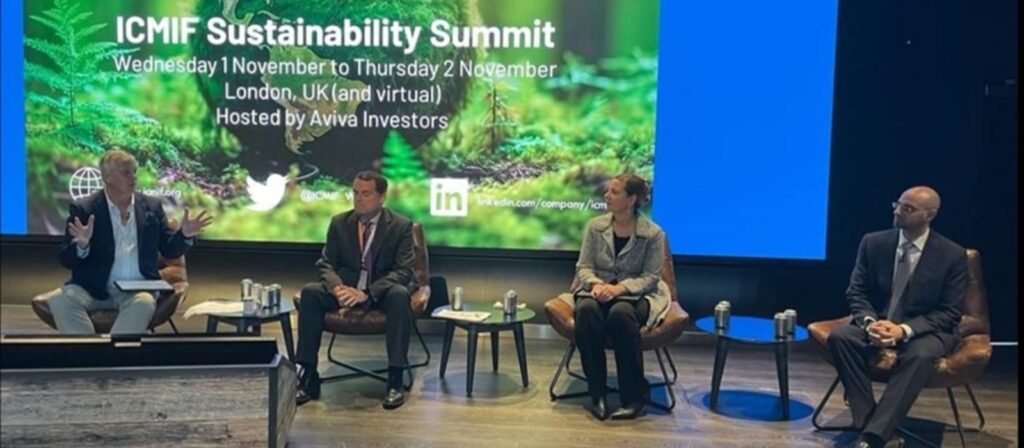
Session speakers:
- Belén Gómez, Advisor to the President and Coordinator U-RUS, Río Uruguay Seguros (Argentina)
- Babs Dijkshoorn, Director, Sustainability, Achmea (Netherlands)
- Chad Park, Vice President, Sustainability & Citizenship, Co-operators (Canada)
- Kim Palatnick, Chief Strategy & Member Experience Officer, Wawanesa Insurance (Canada) moderator