Insured losses from natural catastrophes will exceed USD 100 billion in 2025, according to new estimates by the Swiss Re Institute, the research arm of ICMIF Supporting Member Swiss Re.
The Institute estimates total insured losses in 2025 at USD 107 billion, a 24% decrease from the USD 141 billion recorded in 2024.
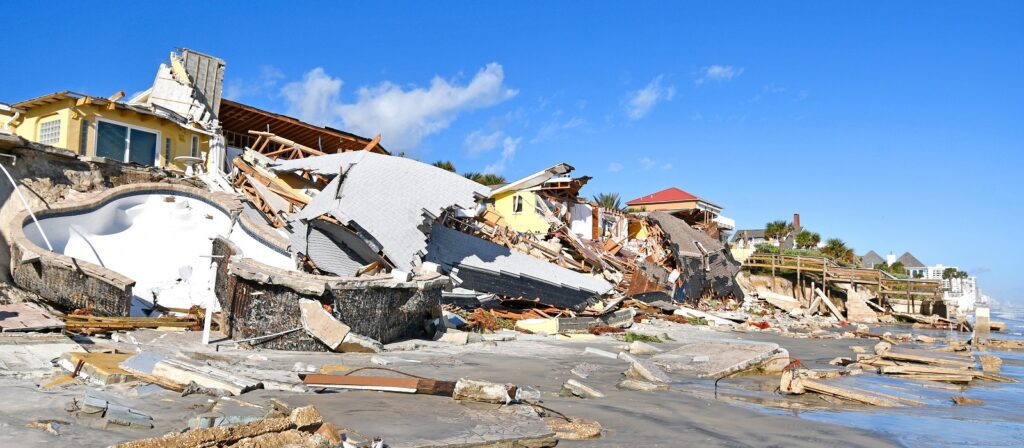
The Institute attributes the figure, which has stayed above the USD 100 billion mark for six years, to the unprecedented LA wildfire loss record in the first quarter of 2025 and severe convective storms (SCS).
Jérôme Jean Haegeli, Swiss Re’s Group Chief Economist, said: “Amid annual volatility, insured losses keep rising. That’s why strengthening prevention, protection and preparedness is essential to protect lives and property. Reinsurers and the broader insurance sector have a dual role: acting as financial shock absorbers and supporting the development of resilient, risk-informed public policy and private investment that reduce future losses.”
Due to a combination of wildfires and severe convective storms, the US was the most affected market, accounting for 83% (USD 89 billion) of the estimated global insured losses of USD 107 billion. Insured US wildfire losses alone reached USD 40 billion in 2025, a record high.
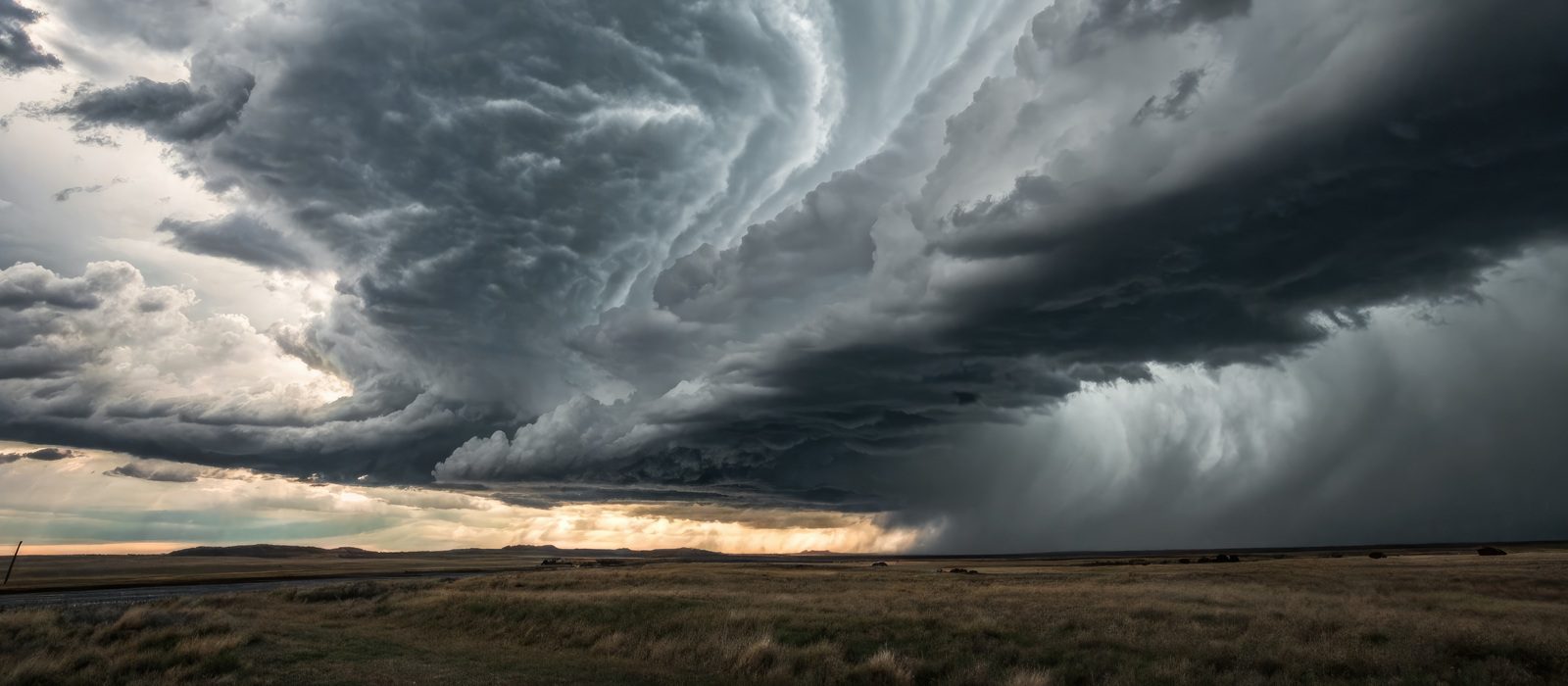
Global insured losses from severe convective storms reached USD 50 billion this year, making 2025 the third costliest year after 2023 and 2024.
Balz Grollimund, Swiss Re’s Head Catastrophe Perils, said: “We are observing a steady rise in losses from severe convective storms. Urbanisation in hazard-prone areas, rising asset values, higher construction costs and factors such as ageing roofs have made these storms a key peril for insurers. As single events rarely result in a large insured loss, it is key for insurers to consider the cumulative effect of frequent, low-loss events, along with increasing property values and repair costs. A more holistic view of this peril is critical to assure proper underwriting and risk management.”
Meanwhile, insured hurricane losses are set to be low in 2025, which Swiss Re Institute attributes to none of the Category-5 hurricanes (Erin, Humberto and Melissa) making landfalls on the US coast.
In Southeast Asia severe river and flash-flooding events in November resulting in widespread devastation while an 8.8 magnitude earthquake stroking off the eastern coast of Russia generated tsunami waves that reached Hawaii and coastal areas of the US mainland.
The Swiss Re Institute also highlighted the importance of early warning systems (EWS) in protecting at-risk populations through evacuation and alerts, explaining that significant reforms in city planning had led minimal earthquake destruction to Russian coastal communities.