
When I was invited to lead the at the ICMIF Americas 2025 Conference in Costa Rica, I took it as more than just an organisational responsibility. Over recent years, I have had the opportunity to collaborate with ICMIF through innovation groups and to take part in conferences such as Belo Horizonte 2024. These experiences strengthened my connection with the network, but this invitation represented a different kind of challenge.
Beyond my professional background, what truly motivated me was a personal conviction: our sector needs to continually open itself to new perspectives. I have always been interested in questioning established models, promoting constructive disruption, and generating conversations that lead to awareness and real change. Leading the youth space was a concrete opportunity to do exactly that.
Designing participation, not just presentations
From the outset, it was clear to me that we did not want a traditional format. Keynote speeches remain relevant.
We therefore designed a UX workshop based on the design thinking methodology, structured around its five stages: empathise, define, ideate, prototype and validate. The intention was simple yet ambitious: to create a space where young people could listen, question, build and test ideas together.
In line with the central theme of the Conference — resilience — the workshop invited participants to reflect on how insurance can become a genuine tool to support communities in the face of present and future risks. Participants worked on challenges such as forced migration, unemployment, extreme climate events, illness and digital exclusion. This process gave rise to innovative proposals: support programmes for migrants from arrival through to integration; communication plans for unemployed people using accessible language and benefits tailored to their reality; and insurance models that not only compensate for losses following natural disasters but also enable communities to rebuild in a more resilient way.
The energy in the room confirmed something important: when open, inclusive and creative environments are provided, young people are capable of generating innovative solutions with a strong sense of social commitment.
Diversity and shared realities in Latin America
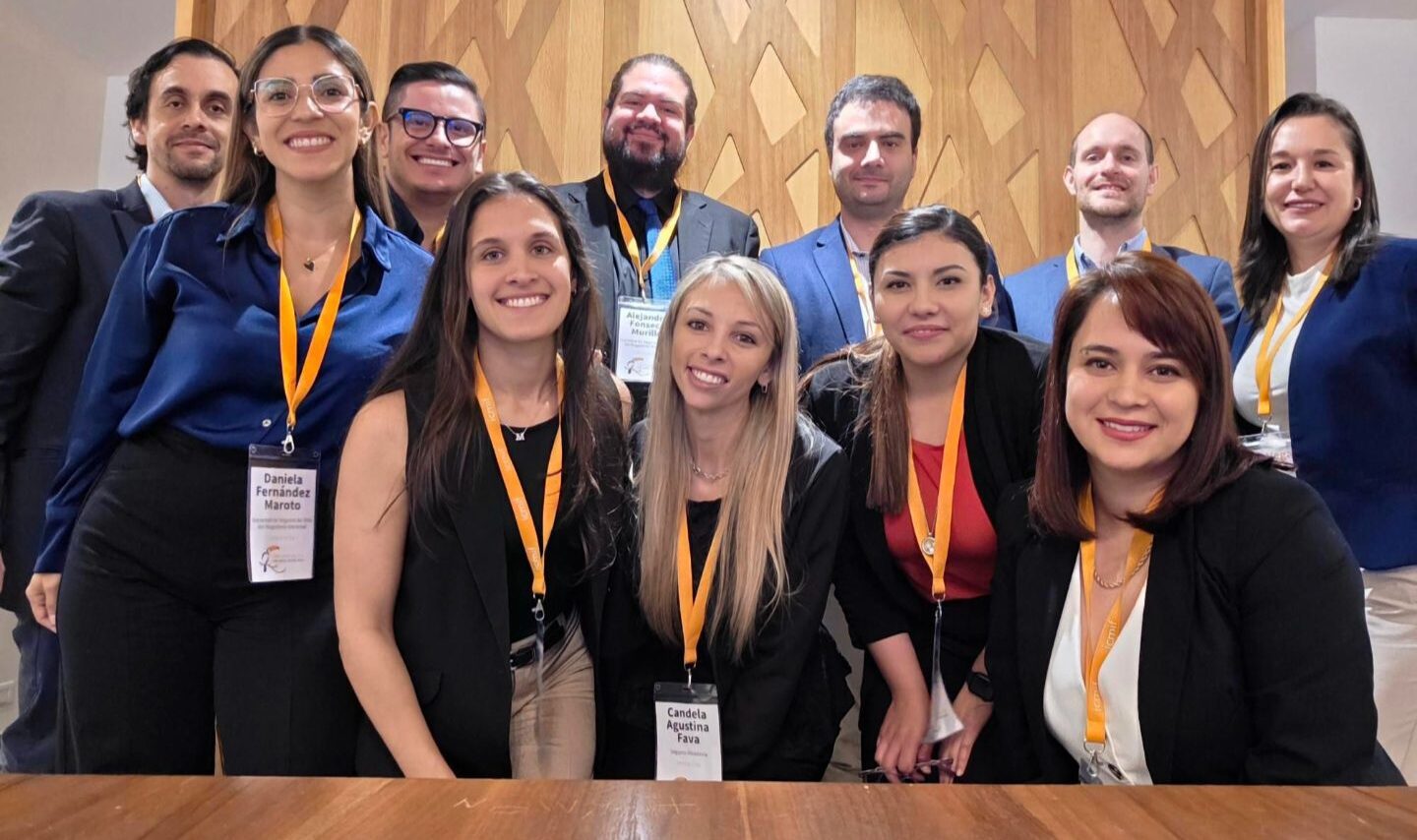
One of the most enriching aspects was the diversity of perspectives. Participants came from different organisations, countries and regulatory frameworks. The same challenge could be analysed from completely different angles depending on each local context.
At the same time, it became clear that many challenges are shared across Latin America. Market size and regulations may vary, but issues such as vulnerability to climate events, social inequality, migration and labour instability are repeated across our cities and communities.
This combination of diversity and common ground led to a very authentic exchange. Successful experiences were shared, as well as lessons learned from mistakes or limitations. The dialogue was open, respectful and collaborative. Beyond the ideas generated, the workshop strengthened professional networks and reinforced a sense of community within the mutual movement.
Intergenerational dialogue beyond the formal setting
Another particularly meaningful moment was the Breakfast with CEOs. In a more informal and approachable setting, outside the main conference sessions, young participants had the opportunity to interact directly with highly experienced leaders, including Andrés Elola, President of ICMIF Americas and Chief Executive Officer of Surco Seguros (Uruguay), and Arleene Medina, Executive President of the Life Insurance Cooperative (COSVI, Puerto Rico).
The closeness of the format helped to break down hierarchical barriers and create a space of trust that fostered open conversation, questions, challenges and direct learning.
What stood out the most to me was the emphasis on leadership styles and generational change. Many questions focused on how to lead teams made up of different generations, each with distinct motivations and expectations. Topics such as remote working, flexibility, purpose, and work–life balance emerged clearly. It became evident that modern leadership requires sensitivity, adaptability and a deep understanding of human dynamics.
We did not just hear CEOs speaking in their institutional roles; we listened to the people behind those positions, sharing professional experiences, complex decisions and life lessons. This human dimension significantly enriched the exchange.
A clear message to the sector
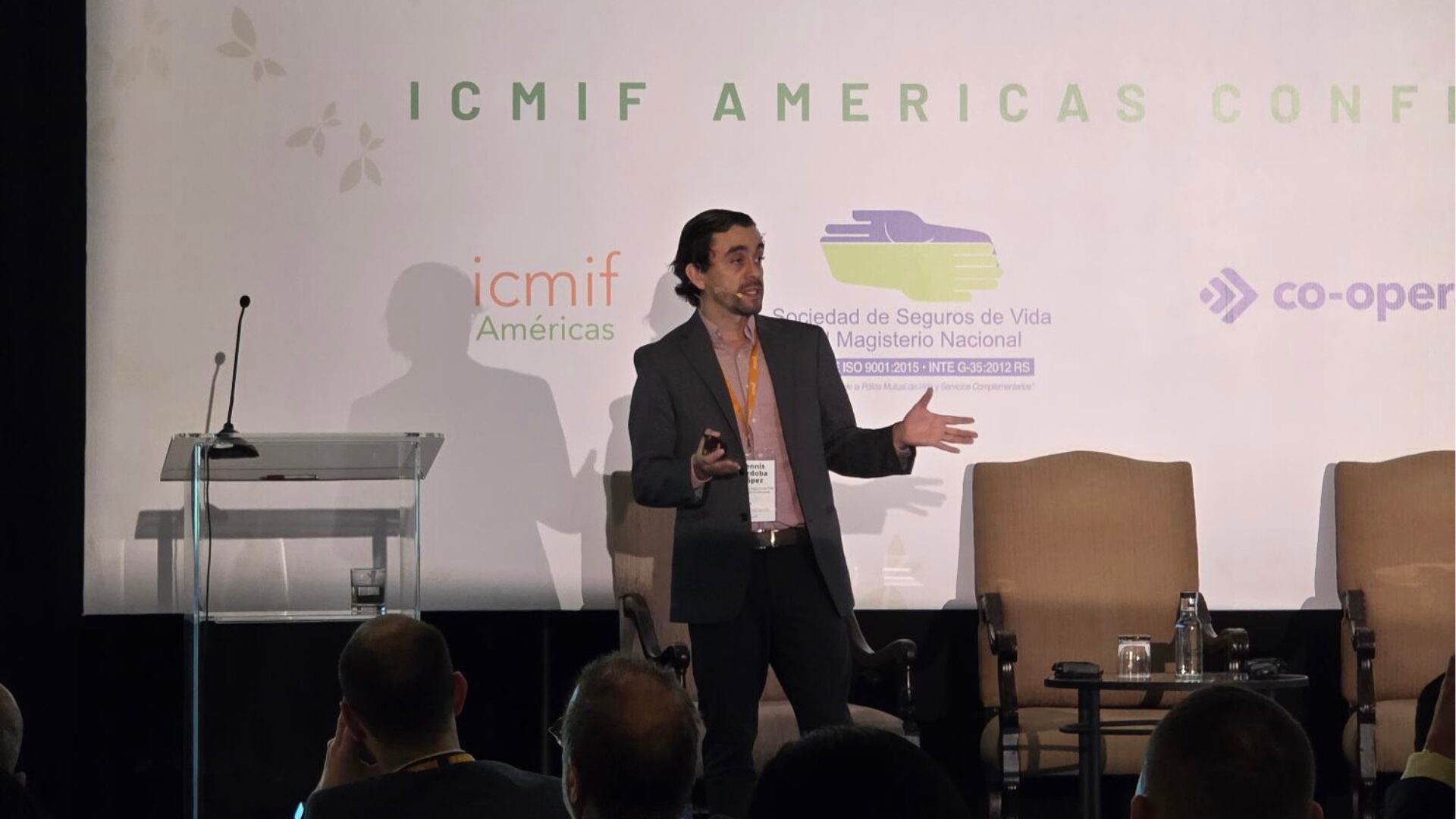
During the closing presentation of the Conference, I had the opportunity to share the outcomes of the youth space. My message was clear: we need to actively listen to those who are growing within our organisations.
Many mutual/cooperative organisations have decades of history, and that legacy is a strength. However, it also carries the responsibility to question how we do things. Young people bring ideas, want to be involved, and are willing to rethink established models when the context demands it.
Creating dedicated spaces for young leaders is not a symbolic gesture; it is a strategic decision. It helps identify talent that is sometimes underutilised and strengthens a culture where innovation, social commitment and sustainability go hand in hand.
If we want the mutual/cooperative insurance sector to remain relevant in the face of demographic, technological and environmental change, we must integrate these new voices into our reflection and decision-making processes.
Strengthened leadership and renewed conviction
On a personal level, I believe this experience strengthened my leadership skills. Taking part in an international environment broadens one’s perspective and sharpens judgement. Listening to other organisational realities and comparing approaches helps to better understand shared challenges.
As hosts, my team and I sought to design the space differently: less rigid, more participatory and aligned with the values of innovation and inclusion that we promote. Despite the limited time available within the overall Conference agenda, we succeeded in creating a dynamic and meaningful environment.
It confirmed something I consider essential: when we dare to try different approaches, we achieve different results. Changing the format transforms the conversation, and transforming the conversation can change the way we build the future of our sector.
Looking ahead
The experience at ICMIF Americas 2025 reaffirmed that the future of mutuality and insurance is strengthened when it is built together with new generations. Their energy, empathy and ability to question do not replace what has already been built; they complement it.
Creating more spaces for young leaders is not just a matter of inclusion. It is an investment in resilience, innovation and long-term sustainability. By listening to, integrating and empowering those who are growing within our organisations, we will not only support their development, but also strengthen our institutions and the social impact we seek to achieve.
Click here to download Dennis’ Young Leaders participation report from ICMIF Americas 2025.