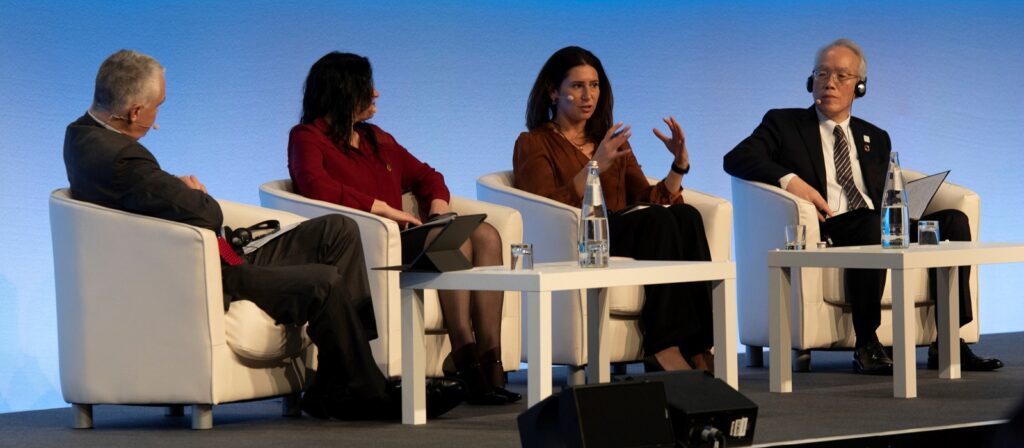
Founded on the principle of “one for all and all for one,” Zenkyoren (Japan) began in Hokkaido in 1948 to address the unique challenges faced by farmers exposed to the vagaries of nature. The initiative grew rapidly, uniting regional mutual aid organisations under a national federation by 1951. Today, it provides a safety net for millions, ensuring financial support during crises, particularly for rural and agricultural communities.
Zenkyoren’s current three-year business plan (2022-2024) prioritises bolstering local community resilience against natural disasters. Japan’s geographic vulnerability to earthquakes, typhoons, and climate change underscores the critical importance of these initiatives. Recent disasters, such as the 2011 Great East Japan Earthquake and the 2024 Noto Peninsula Earthquake, have highlighted the need for comprehensive disaster preparedness and recovery strategies.
Prevention, recovery, and partnership
JA Kyosai’s resilience efforts are threefold: immediate disaster response, early recovery support, and disaster mitigation. Initiatives include distributing emergency supplies, supporting agricultural recovery, and conducting community workshops on earthquake preparedness. Innovative tools, such as virtual reality simulations and hazard-mapping apps, enhance awareness and preparedness.
The organisation also collaborates with local governments and private insurers to address vulnerabilities in rural infrastructure and ageing populations. During peacetime, these partnerships focus on disaster prevention and education, while in emergencies, they streamline response efforts and insurance payouts.
A model for cooperative resilience
Zenkyoren’s approach exemplifies how cooperative systems can foster resilience and sustainability. By leveraging its extensive network and prioritising member welfare over profits, the organisation continues to protect lives and property while building stronger, more prepared communities. As natural disasters increase in frequency and intensity, its model serves as an invaluable blueprint for global resilience efforts.
Grupo Sancor Seguros, a prominent insurance organisation based in Argentina, emphasises the importance of strategic partnerships as a cornerstone of its purpose-driven business model. These collaborations, spanning over 120 partnerships, tackle critical issues such as sustainability, climate change, and road safety. The organisation’s alliances are not mere commercial agreements but strategic commitments to fostering societal and environmental well-being. For instance, it works with government agencies, NGOs, and industry think tanks to promote insurance awareness, education, and safety measures.
Technology and Client-Centric Initiatives
Adapting to a rapidly changing landscape, Grupo Sancor Seguros prioritises technological integration to enhance client experiences. Artificial intelligence (AI) plays a pivotal role in improving transparency, customising policies, and expediting claims processing. By leveraging tools like Qualtrics and Temo, the organisation gathers valuable client insights and processes structured information, enabling data-driven decision-making. However, Grupo Sancor Seguros also acknowledges the ethical implications of technology, advocating for its responsible use to prevent bias and promote inclusivity.
The Value Chain and Agents’ Role
Agents serve as the organisation’s direct link to policyholders, embodying its values and commitment to resilience. These agents contribute significantly to climate risk prevention, sustainability, and digital accessibility, reflecting Grupo Sancor Seguros’ dedication to aligning business practices with social and environmental goals.
Circular Economy and Sustainability
Grupo Sancor Seguros has implemented a circular economy process, focusing on the sustainable management of salvaged goods and waste materials. This initiative reintegrates materials into the production cycle while creating positive social impacts. Collaborating with cooperatives, the organisation supports vulnerable communities, such as providing employment opportunities to individuals reintegrating into society.
Commitment to Education and Social Value
Education is another pillar of Grupo Sancor Seguros’ mission. By promoting cooperative education in its operating countries—Argentina, Brazil, Paraguay, and Uruguay—the organisation facilitates social development and empowerment. It views education as a fundamental enabler of societal progress.
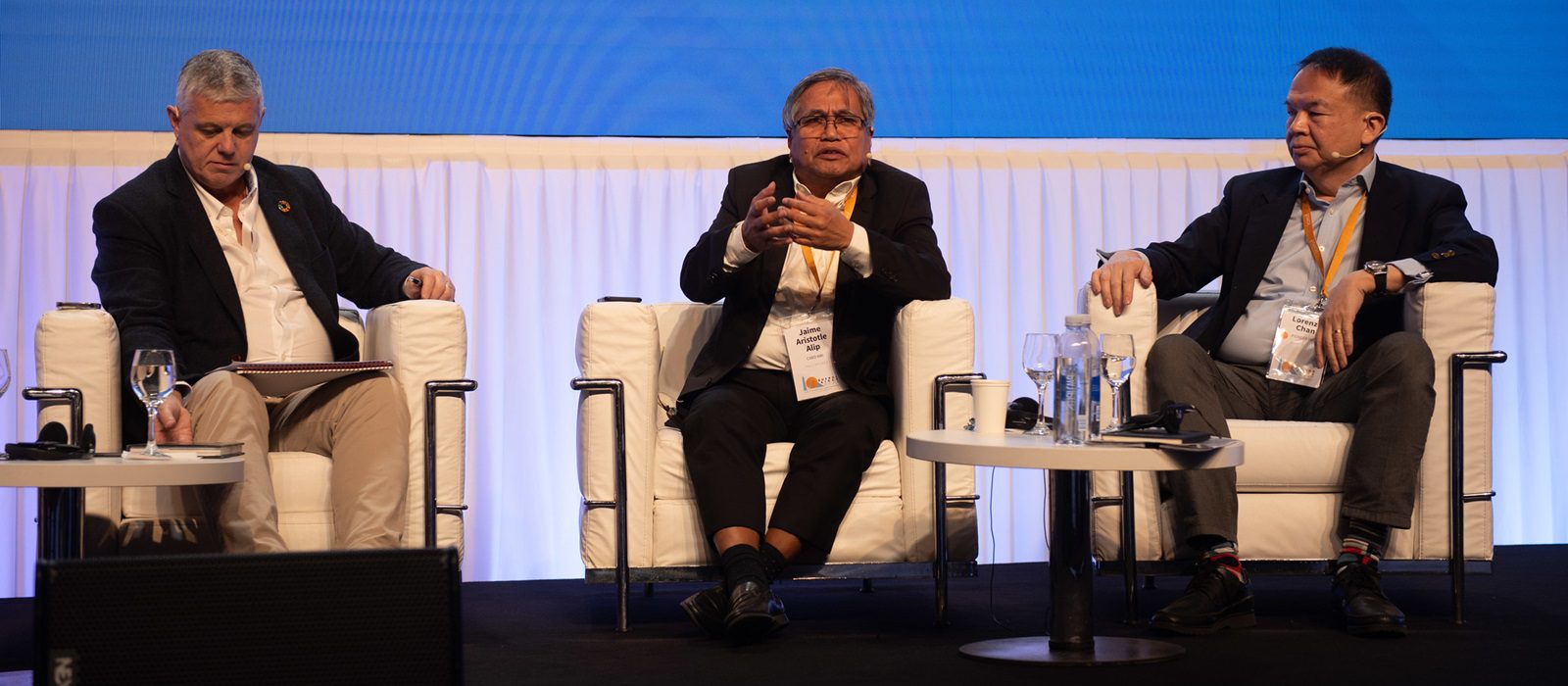
The journey of CARD MRI and the Pioneer Group in the Philippines demonstrates the transformative power of microinsurance when innovation and community partnership intersect. Together, these organisations have impacted millions of lives, offering financial protection to underserved populations, particularly women, through a groundbreaking collaboration that spans more than a decade.
At the heart of their partnership lies a commitment to financial inclusion and poverty eradication. CARD MRI, a mutual organisation, and Pioneer Group, a commercial insurer, merged their strengths to overcome systemic challenges in delivering microinsurance. This innovative model integrates CARD MRI’s extensive grassroots network and Pioneer’s technical expertise, resulting in a collaborative venture that has set new benchmarks for the industry.
Empowering women at the grassroots
A cornerstone of this initiative has been the active participation of grassroots women, described as the “movers and shakers” of the microinsurance movement. These women not only promote insurance products within their communities but also validate claims swiftly, leveraging their deep understanding of local needs. Their involvement ensures that claims are processed within remarkably short timeframes—initially under the “1-3-5” model (claims paid within one to five days) and now, with digital integration, within eight hours.
This empowerment fosters a sense of ownership and accountability, as many of these women are policyholders themselves. Their role in validating claims not only reduces administrative costs but also eliminates the need for external brokers or adjusters, reinforcing the partnership’s emphasis on cost efficiency and trust.
Addressing barriers through innovation
The partnership has continually innovated to address barriers faced by low-income communities. One example is their response during the COVID-19 pandemic, where they expanded the coverage of their hospital cash product to include quarantine scenarios. This agile approach demonstrated the organisations’ dedication to meeting emerging needs while maintaining affordability and accessibility.
By leveraging CARD MRI’s vast network of over 3,700 offices and Pioneer’s product development capabilities, the partnership has driven down costs significantly. Overhead costs, which traditionally average 30–35% in insurance, were reduced to just 15–17%, allowing the benefits to be passed directly to policyholders. The scale of the partnership’s success is unparalleled in the microinsurance sector. Together, they have reached 30 million individuals—approximately 27% of the Philippines’ population. This achievement underscores the potential of mutual-commercial partnerships to drive social impact while remaining financially viable.
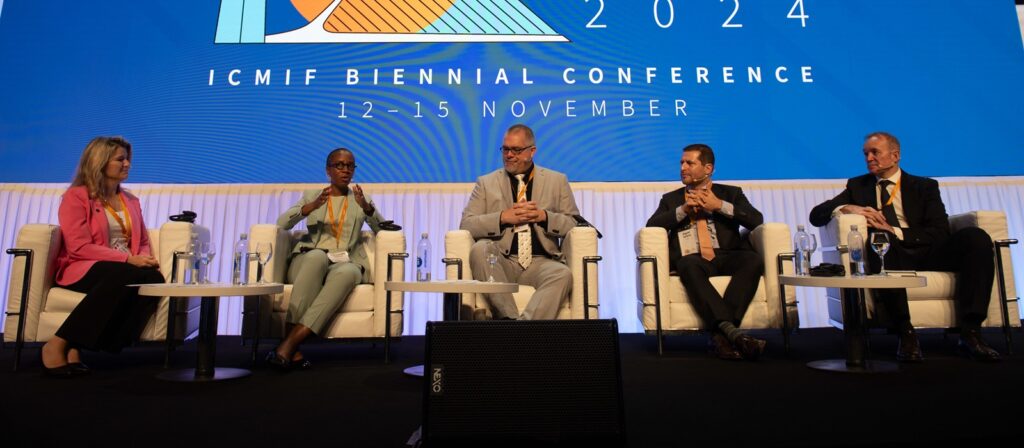
Session speakers:
- Kazunari Takahashi, Senior Managing Director, Zenkyoren (Japan)
- Alejandro Simón, CEO, Grupo Sancor Seguros (Argentina)
- Dr Aris Alip, Founder and Chairman Emeritus, CARD MRI (Philippines)
- Lorenzo Chan, President and CEO, Pioneer Group (Philippines)
- Shaun Tarbuck, Chief Executive, ICMIF moderator