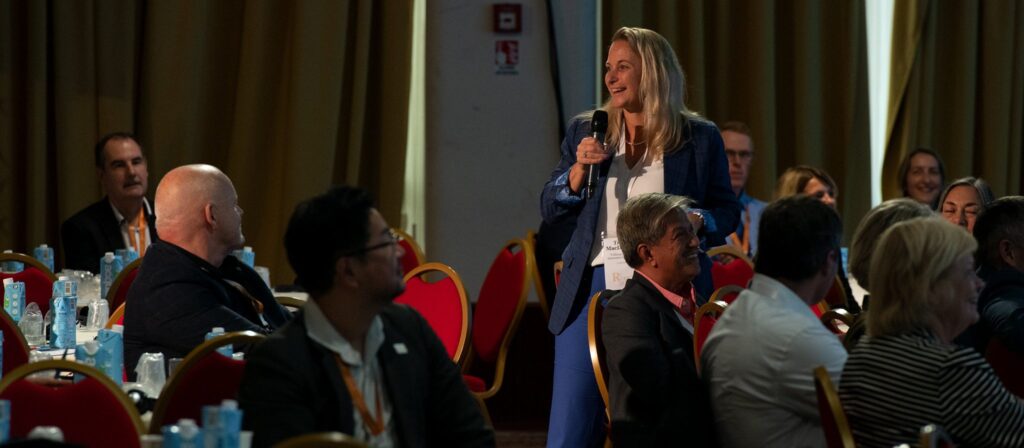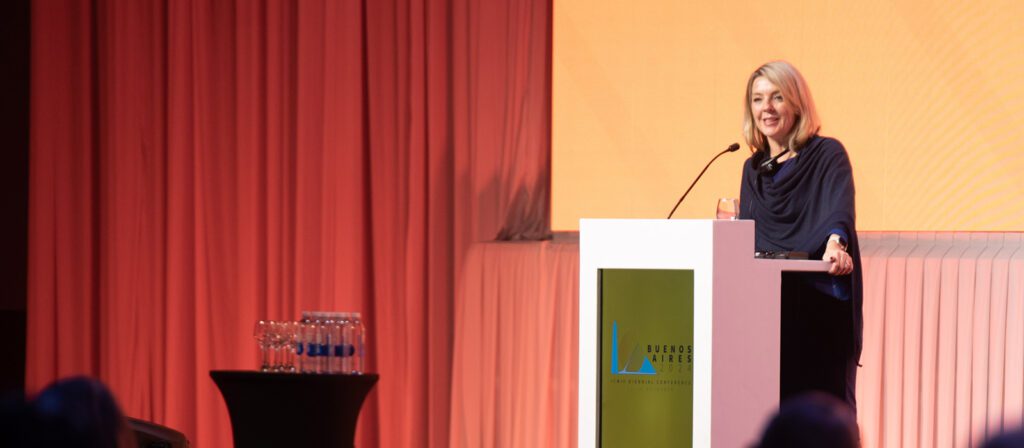
Rockne Corbin discusses what it means to lead a mutual insurer through a period of rapid change. From digital transformation to talent and customer service, he outlines the priorities shaping Shelter’s long-term direction.
What first drew you to the mutual insurance sector, and what made you commit to building your career in mutuals?
What drew me to the mutual side of the business was that it felt grounded and aligned with how I think about leadership. In a mutual, you are making decisions for the long term and for the benefit of policyholders — not chasing a short-term number.
The deeper commitment came from seeing what insurance really means in people’s lives. When someone has a serious loss, this business becomes very real very quickly. In those moments, you understand that what we do is about keeping promises and helping people get back on their feet. That is what made this more than a career path for me — it became work I genuinely believe in.
You’ve been with Shelter since 1991. What are the biggest inflection points you’ve seen, and how did Shelter respond?
The most significant shift has been in customer expectations. People want speed, simplicity, and transparency — and they want it on their terms. That has driven meaningful changes in how we approach service, claims, and digital capabilities.
At the same time, risk has become more complex, whether from catastrophe exposure, litigation, or fraud. And alongside that, we’ve had to modernise systems and processes without losing the personal service that has always defined Shelter.
We’ve responded best when we’ve stayed true to who we are while avoiding complacency — continuing to invest in our agency force, maintaining strong operating discipline, and using technology to improve service rather than simply adding tools.
Shelter earned major recognition in 2024. What operational habits drive those results, and how are you using technology to improve customer experience?
Recognition like that is the result of doing a lot of things well over a long period of time. It comes down to consistent execution, strong local relationships, responsive claims handling, and a culture built on earning trust every day.
One of the key disciplines is focus — on responsiveness, on cycle time, and on resolving issues quickly and clearly for customers.
On the technology side, our view is straightforward: use it to make the experience easier, faster, and clearer. When technology removes friction and improves visibility — while preserving the human relationship — it’s doing its job.
Shelter has begun using AI to detect fraud. What impact has that had?
AI has helped us become much more proactive. We can identify patterns earlier and focus our experienced people where their judgment matters most.
It’s effectively a force multiplier for our fraud team — improving triage, increasing precision, and allowing us to use our investigative time more effectively.
The broader point is that fraud ultimately affects honest policyholders, so improving how we manage it matters for the entire system.
You’ve implemented Guidewire Cloud technology. What lessons stand out?
One lesson I’ve seen repeatedly is that technology alone does not transform a company. The real work is aligning the business, the process, the people, and the execution around a clear outcome.
Our Guidewire work is part of a broader effort to simplify operations, improve decision-making, and make it easier for agents, employees, and customers to do business with us.
If I had to distill it: be clear about why you’re doing it, be realistic about pacing, and stay close to the people who will use it every day. The risk is overestimating what technology will fix on its own.
How is Shelter approaching distribution as customer behavior evolves?
This isn’t about choosing between digital and human channels. Customers want flexibility, and our job is to meet them where they are without creating a fragmented experience.
The local agent relationship remains a real differentiator for us. At the same time, we continue to improve the digital experience so quoting, service, billing, and claims are simple and fast.
The goal is a connected experience — one that feels consistent and easy to navigate, regardless of how a customer chooses to engage.
What matters most when developing early-career talent?
The best pipelines allow us to see both potential and fit early, which is why internships and campus recruiting remain important.
We need strong capabilities across traditional disciplines, as well as data and digital. But beyond technical skills, I look for curiosity, judgment, humility, communication, and a willingness to learn.
For early-career professionals, the best advice is to master the basics, get broad exposure, and stay close to the customer and frontline. Time in claims and in the field with agents is especially valuable — it builds judgment quickly and gives context to everything else.
Over the next 2–3 years, what are the top strategic priorities you’re most focused on and how will you know you’ve succeeded?
Our focus is on making Shelter easier to do business with, more modern in how we operate, and stronger for the long term.
That includes continuing our transformation work, improving customer and agent experience, sharpening underwriting and claims performance, and building capabilities that position us well for the future.
We’ll know we’re making real progress when we see faster cycle times, better decision-making driven by data, stronger retention, and a noticeably improved experience for the people we serve. Success isn’t just completing projects — it’s building a company that is more agile, more resilient, and better positioned over time.
What leadership legacy do you hope to leave?
I would want people to feel that I helped make the company stronger without changing what is essential about it.
I’d hope colleagues would say we were clear about what mattered, thoughtful in our decisions, and willing to invest for the future. And I’d hope policyholders would say Shelter was dependable, fair, and there when they needed us.
I don’t think about legacy in terms of title. I think about whether the company is healthier, more capable, and more aligned when you leave than when you started. If that’s true, then you’ve done your job — leave it better, without losing what made it work.
Shelter has been a member of ICMIF since 1997. What value do you get from ICMIF?
What I value most is perspective. It connects you with peers who operate in the same mutual model but in very different environments.
Many of the challenges — technology, customer expectations, resilience, talent — are shared. The ability to compare notes and pressure-test ideas with leaders who understand long-term stewardship is extremely valuable.
What keeps you coming back to ICMIF conferences?
It’s the quality of the conversation. The discussions tend to be candid, practical, and forward-looking.
I always come away with a broader view of where the sector is headed and what others are doing that might be relevant for us. This year, I’m particularly interested in discussions around AI, long-term resilience, and how to build future-ready operating models while staying true to the purpose of the mutual model.