Tracy MacDonald, CEO & President of Trillium Mutual Insurance Company, an agri-business mutual insurer based in Ontario (Canada), shares her thoughts on leadership styles, mutual values and risk management. She also explains how Trillium approaches community investment to maximise impact while protecting and enhancing farm and community lifestyles. In addition, she offers insight into Trillium’s digital transformation, highlighting how innovation is strengthening member value.
With the next ICMIF Biennial Conference set to take place in Toronto, Canada, Tracy invites members to attend the event and witness first-hand the strength and distinctiveness of the Canadian mutual insurance sector.
Tracy, you have been a member of the Board of Directors of the Canadian Association of Mutual Insurance Companies (CAMIC), since 2017 and have recently been appointed Chair of the Board. What inspired you to become so deeply involved in CAMIC, and why do you believe mutual and cooperative insurance associations like CAMIC and ICMIF play such an important role in our industry?
Mutual insurance companies vary in size and geographic reach, associations such as CAMIC and ICMIF help mutuals come together to have a louder voice when dealing with issues that we align on. This is what inspired my involvement in CAMIC, helping to shape the future of P&C insurance in Canada ensuring that the buying public has a mutual choice when making their insurance decisions.
As CEO, what guiding principles shape your leadership style, and how do they reflect the mutual values at the heart of Trillium’s identity?
I believe in a people-first approach to leadership. My mantra is and has always been, if you take care of the people at the heart of the organisation, they will take care of distribution and the ultimate relationship with the member. Having an employee base that is empowered to make the right decision for the member is at the heart of everything we do.
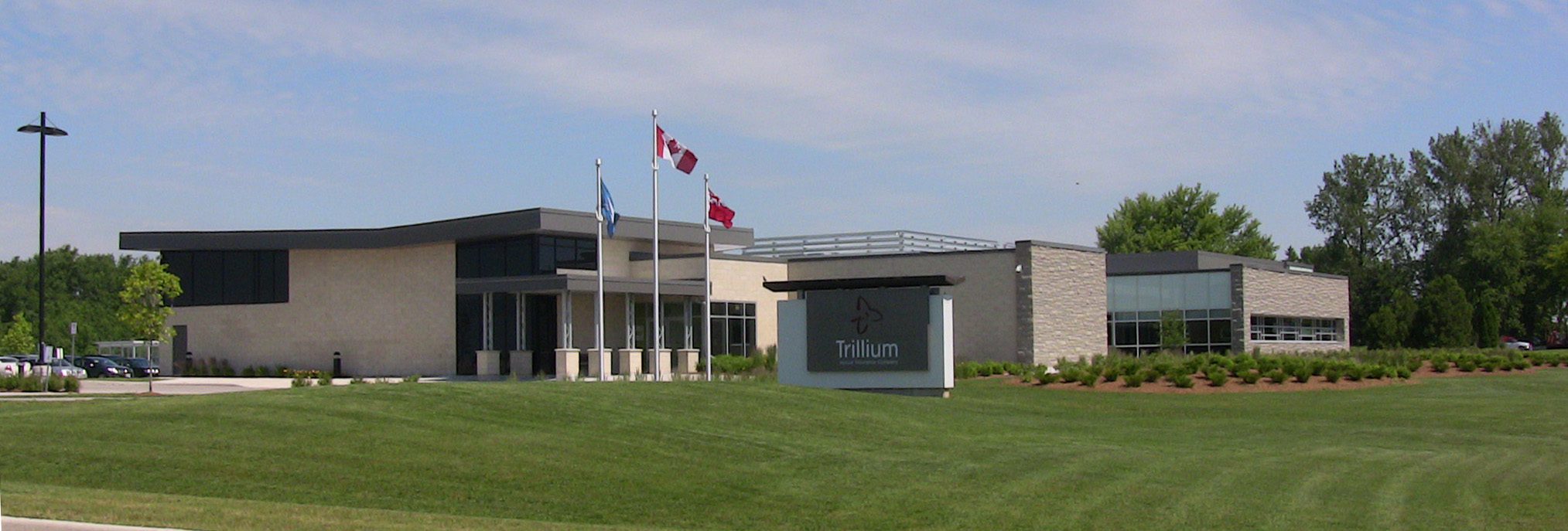
The ICMIF Members’ Governance 2022 report revealed that ICMIF members are ahead of the industry in gender diversity in board and CEO positions. You recently participated in the Canadian Women in Insurance Summit. From your perspective, what are the most significant opportunities and challenges for women in leadership within the insurance industry today, and how can organisations support greater diversity at senior levels?
Female employees make up a significant portion of the insurance workforce, so why wouldn’t they be represented at the most senior levels? This is an area where I believe mutual and cooperative insurers excel. Literature in the past has shown that although women are qualified, they often self-select and decide not to pursue senior leadership careers. I believe that forums like the Canadian Women in Insurance Summit help women build networks to understand how balance can be built to allow for successful senior leader careers while managing life outside the office.
The opportunities are plentiful for future leaders, both men and women. In every diversity conversation around gender, it is important to identify the men that support and stand beside women in our industry.
What advice would you give emerging leaders who want to make a meaningful impact in cooperative and mutual organisations?
Climb the corporate jungle gym, take chances, go to other areas of the organisation rather than a linear career progression on one area of the business. Insurance is dynamic and ever evolving, get out of your career comfort zone and look for opportunities in completely different areas of the business. I learned so much by taking on roles in other areas where my technical expertise was lacking, I didn’t love every step, but it certainly helped see the big picture and allows me to ask deeper questions in leading all facets of an organisation.
Risk management has become a defining part of Trillium’s value proposition. Can you share how your risk management services and resources are helping members proactively manage and reduce losses on their farms and in their businesses?
We believe that preventing loss has far-reaching impact beyond the financial sustainability of the company. No one wants to experience loss, it has impacts on the environment in rebuilding, it has mental health impacts on the families that experience loss and the stress of the entire process. These heavy impacts are in addition to the financial impacts on insurers and reinsurers. We believe that spending time and resources on preventing loss through in person risk inspections and utilising technology to monitor electrical health of buildings is of critical importance to shift the conversation to prevent from payment.
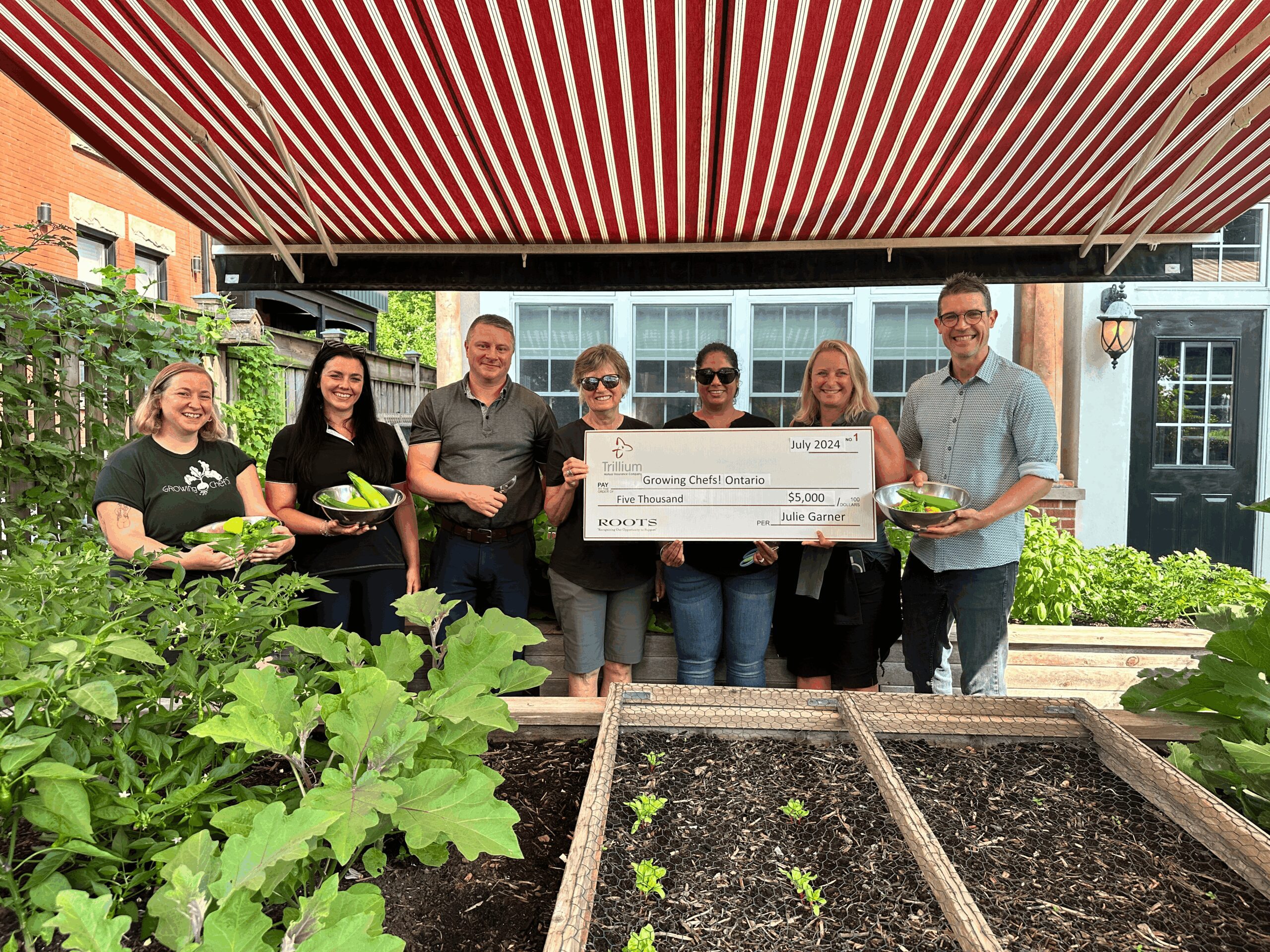
The ROOTS (Recognizing our Opportunity to Support) Community Fund is a cornerstone of Trillium’s community involvement. How do you decide where to focus your support, and what kind of lasting impact do you hope these community investments will have across rural Ontario?
Our ROOTS philanthropic fund is a committee of our Board of Directors. Our Board develops a mandate including the categories of funding administered by the ROOTS Council. The Council is made up of policyholder members, and we empower them to make the decisions on how the funds are distributed across the province. The Board sets the mandate and the categories of support based on our strategic goals and where we want to make an impact.
Our vision to protect and enhance farm and community lifestyles is at the centre of this, ensuring rural communicates grow and thrive in Ontario is our focus and our ROOTS fund aims to support just that. The focus areas include projects in agriculture, ecological/sustainability, emergency response, healthcare, and mental wellness.
Trillium’s success is grounded in mutual values and member focus. How do you maintain that member-first philosophy while ensuring the organisation remains financially strong and competitive in a fast-changing market?
It is a delicate balance; we believe our distribution force and our members recognise the importance of financial sustainability for generations to come. We take this responsibility very seriously to ensure the organisation thrives financially to be here for the members that need us. Building and maintaining a surplus to manage through years of financial challenge is the cornerstone of this delicate balance.
During a past ICMIF Mutual Leaders Insights panel webinar, you shared that Trillium’s strategy is strongly underpinned by technology. Could you elaborate on Trillium’s digital transformation journey and how innovation is enhancing member value?
Building our technology foundation through investment in our policy administration system has been the focus of the past few years at Trillium. We are now at the cusp of embedding innovation into our processes that will include enhanced automation and improvements to workflows to reduce cost of delivering the product. Enhancing technology into our risk management practice is also a critical part of our strategy that aims to reduce the cost of claims. In building operational efficiency as well as reducing claims, we will be able to manage the overall price of the product.
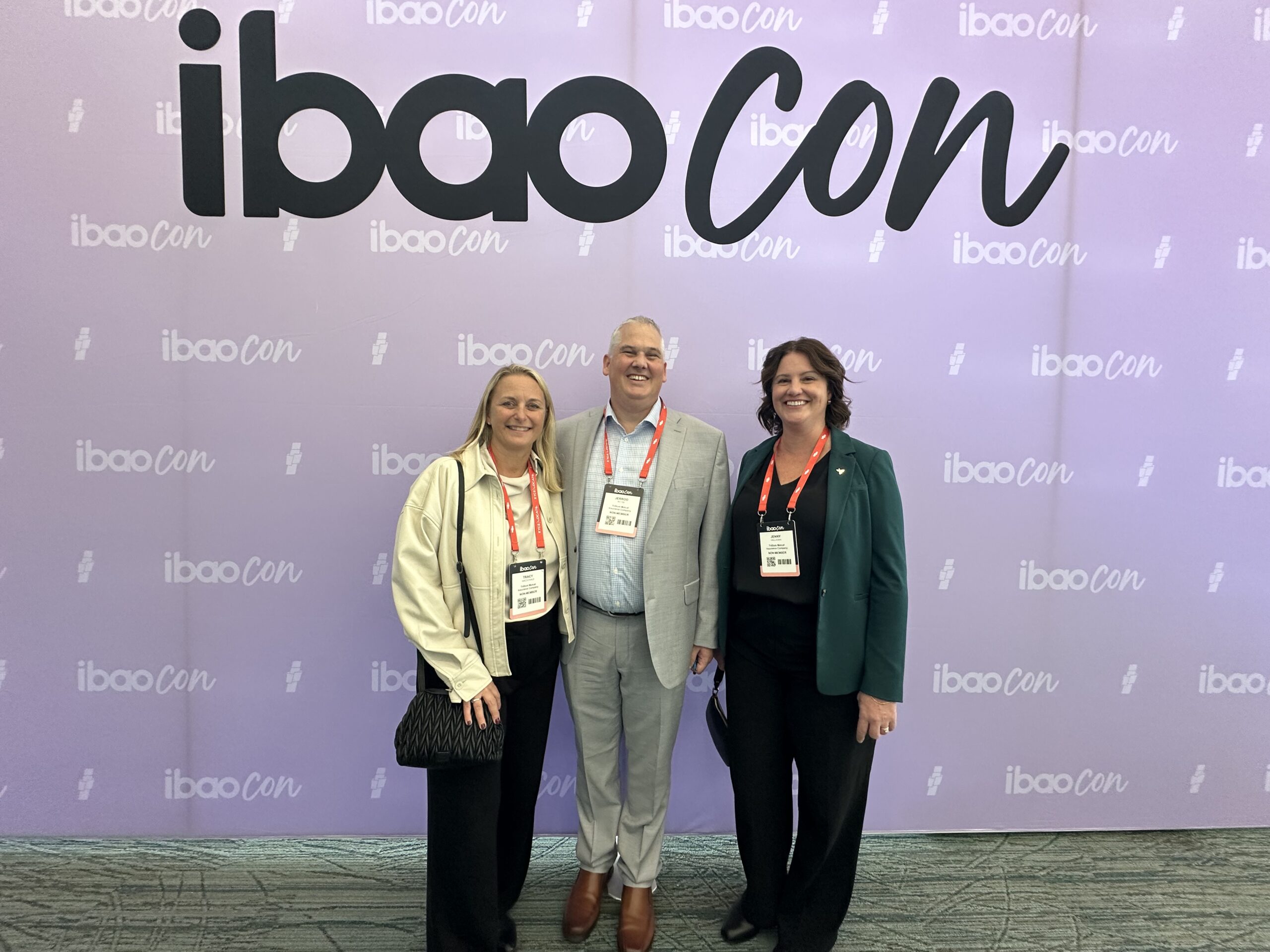
With the next ICMIF Conference being held in Canada, what message would you most like international delegates to take away about the strength and distinctiveness of the Canadian mutual insurance sector?
The Canadian and Ontario mutual insurance sector is alive and well! Ontario mutuals in particular have collaborative structures that are unique to this part of the world and I believe exemplify the purpose and value of the work we do in Canada.
I have attended three ICMIF Conferences where the value certainly is the content, but also the networks and learnings from people around the world centred on the purpose of member value. I do hope you will join the Conference in Toronto in November to see for yourself!
Finally, looking ahead, what excites you most about Trillium's journey over the next few years, and what legacy do you hope to leave through your leadership?
In early 2026, Trillium will pass the threshold from a small to a medium-sized enterprise. With this comes responsibility to plan out the future of the organisation to ensure we are here to protect the members within the farm and rural communities across Ontario.
I believe that the most important asset of our company is the people, from our incredible staff to our sales force and our members. I take the responsibility of building this asset very seriously and I hope that shines through in my work and ultimately in my legacy.