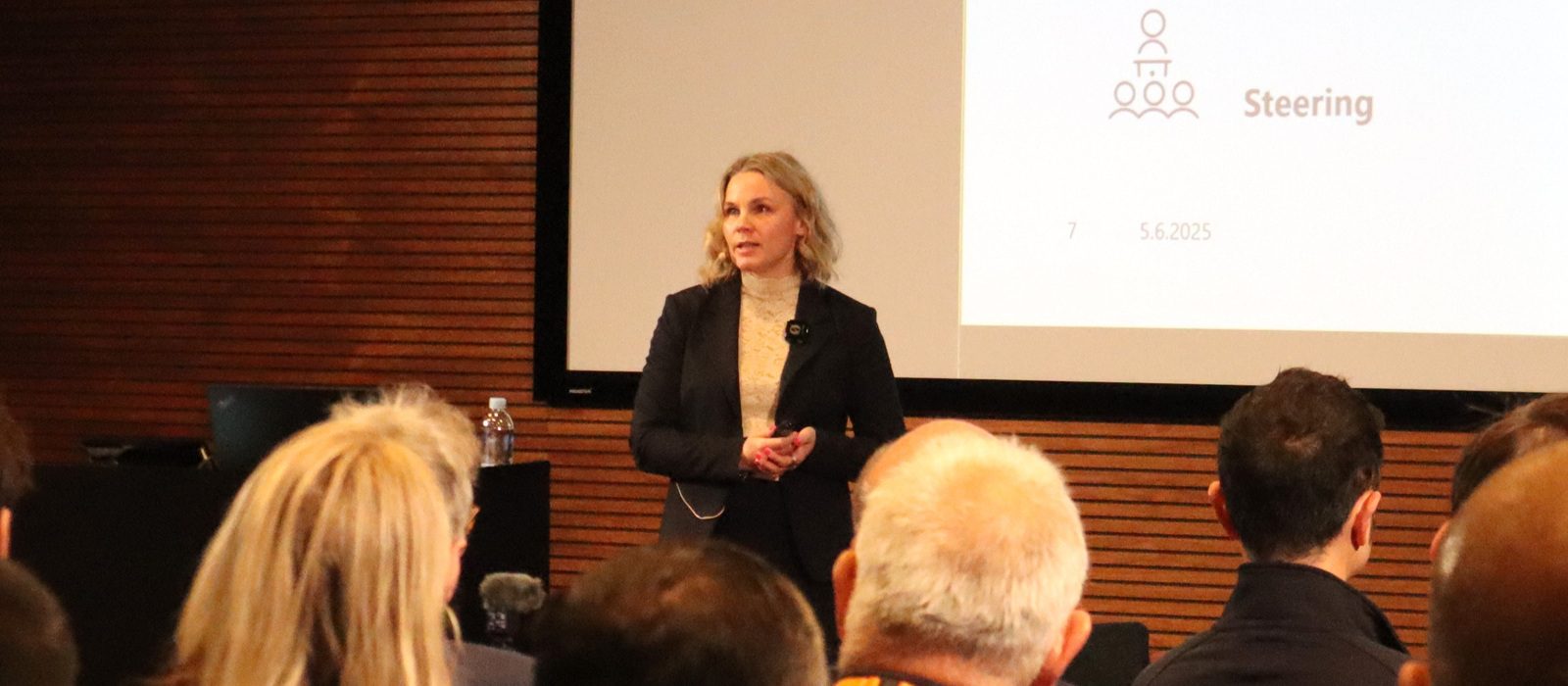
LocalTapiola, a major private health insurer in Finland, is adapting its strategy in response to mounting pressures on the national healthcare system. Although Finland’s public healthcare is tax-funded and universally available, access, particularly in primary care, is increasingly limited. Waiting times of up to three months have led many to seek faster alternatives, driving up demand for private insurance.
The country is experiencing rapid demographic change. An ageing population, high life expectancy, and a growing number of chronic and mental health conditions are increasing the burden on services. Simultaneously, a significant share of healthcare professionals is approaching retirement, creating workforce shortages. These challenges have widened regional and socioeconomic health disparities, especially affecting those without access to occupational or private care.
For LocalTapiola, this rising demand has come with serious cost implications. Since the pandemic, claims have surged—often for minor issues—leading to inappropriate use of specialist services. In 2023, the combined ratio for private health insurance reached 112%, meaning payouts exceeded premiums, putting financial sustainability at risk.
To address this, LocalTapiola is leveraging its role as a major purchaser, 95% of its customers use services from just four main providers, to negotiate better pricing and manage costs collaboratively. It is also steering customers towards cost-effective care through digital triage tools, helping to match patients with the appropriate level of service.
The company is further developing value-based care pathways with providers, aiming to improve patient outcomes while controlling costs. Pricing models are evolving as well, with higher deductibles introduced to reduce overuse and ensure insurance is used for more serious conditions. More sophisticated pricing and underwriting tools are also being implemented.
LocalTapiola is investing in digital innovation to improve efficiency and service. AI is being used to automate administrative tasks and support diagnostics, while better use of health data enables improved care planning and prevention. In a system under increasing strain, these measures aim to ensure private health insurance remains both effective and financially viable.
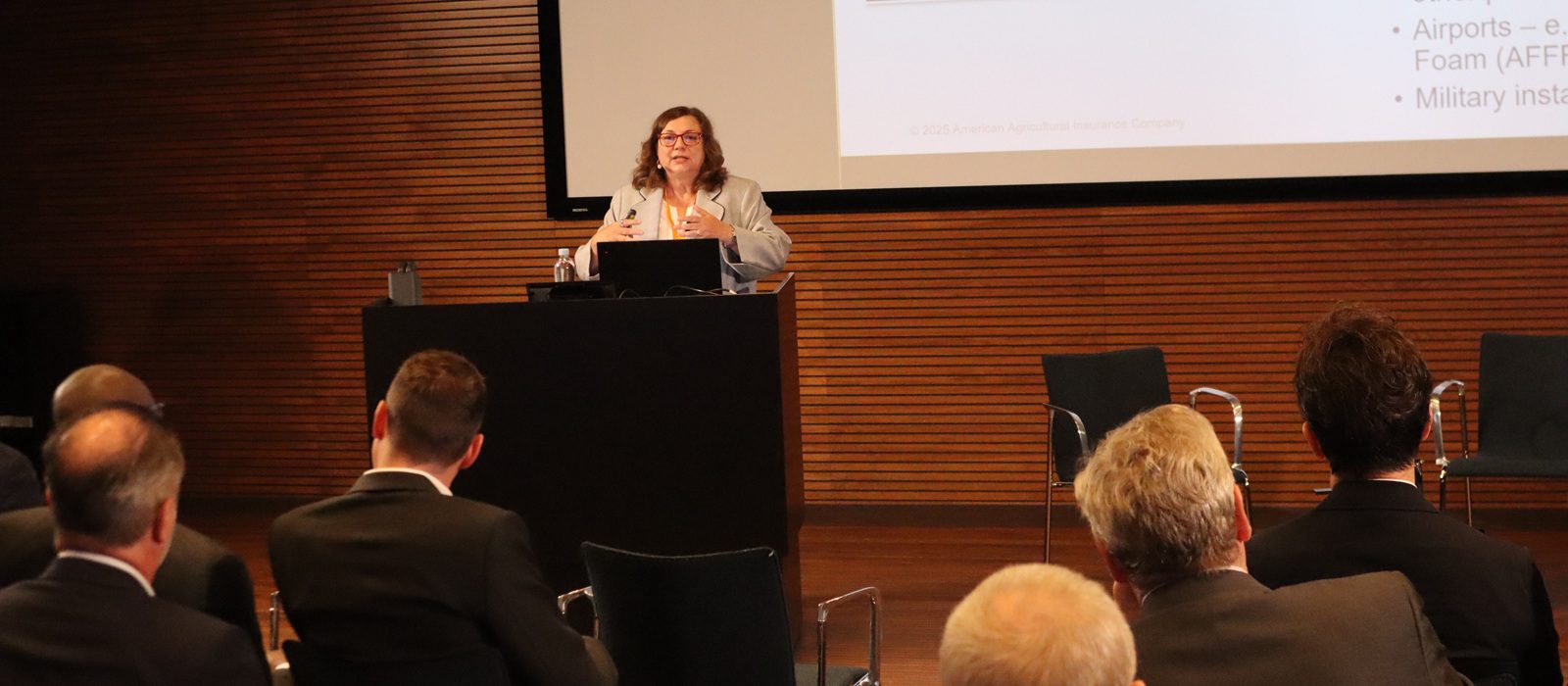
AmericanAg, (USA), has identified PFAS (per- and polyfluoroalkyl substances) as a critical emerging risk. These synthetic “forever chemicals” are widely used in products such as non-stick cookware, stain-resistant fabrics, firefighting foams, and food packaging. Due to their resistance to degradation, PFAS persist in the environment and accumulate in human and animal bodies, raising concerns about long-term health impacts including cancer, thyroid disease, and reproductive issues.
While studies suggest potential links between PFAS exposure and serious health conditions, no conclusive causation has been established. This makes it difficult to quantify liability, especially for reinsurers. Unlike asbestos, PFAS lack a signature disease, complicating claims attribution. Despite this, litigation is escalating. In the US, over 9,000 lawsuits are being centralised, and major manufacturers like 3M and DuPont have already paid billions in settlements.
Regulatory frameworks are tightening. In the United States, the EPA now requires all public water systems to be tested for PFAS by 2027. Exceeding new contamination thresholds will trigger mandatory remediation. In the EU, regulators are reviewing a near-total ban on non-essential PFAS use. Some member states, such as Denmark and France, have already enacted national bans in areas like food packaging and cosmetics.
For reinsurers, PFAS represents a significant long-tail liability. Claims may arise decades after exposure, often tied to old occurrence-based policies and expired treaties. This is especially problematic where historical treaties lack specific PFAS or clear pollution exclusions. Vague language, such as “sudden and accidental” clauses, may not adequately exclude gradual PFAS-related damage.
AmericanAg is recommending proactive measures, including reviewing legacy portfolios, auditing for exposure, and ensuring treaty language is tightened. Since PFAS exclusions have only become common since 2020, many older treaties remain vulnerable. Reinsurers are also considering alternative strategies such as loss portfolio transfers and adverse development covers.
Uncertainty remains high due to the challenges in modelling exposure and proving causation. However, regulatory pressure and litigation are expected to grow. AmericanAg continues to support clients by advising on exclusions, treaty wording, and mitigation strategies to reduce future liability exposure.
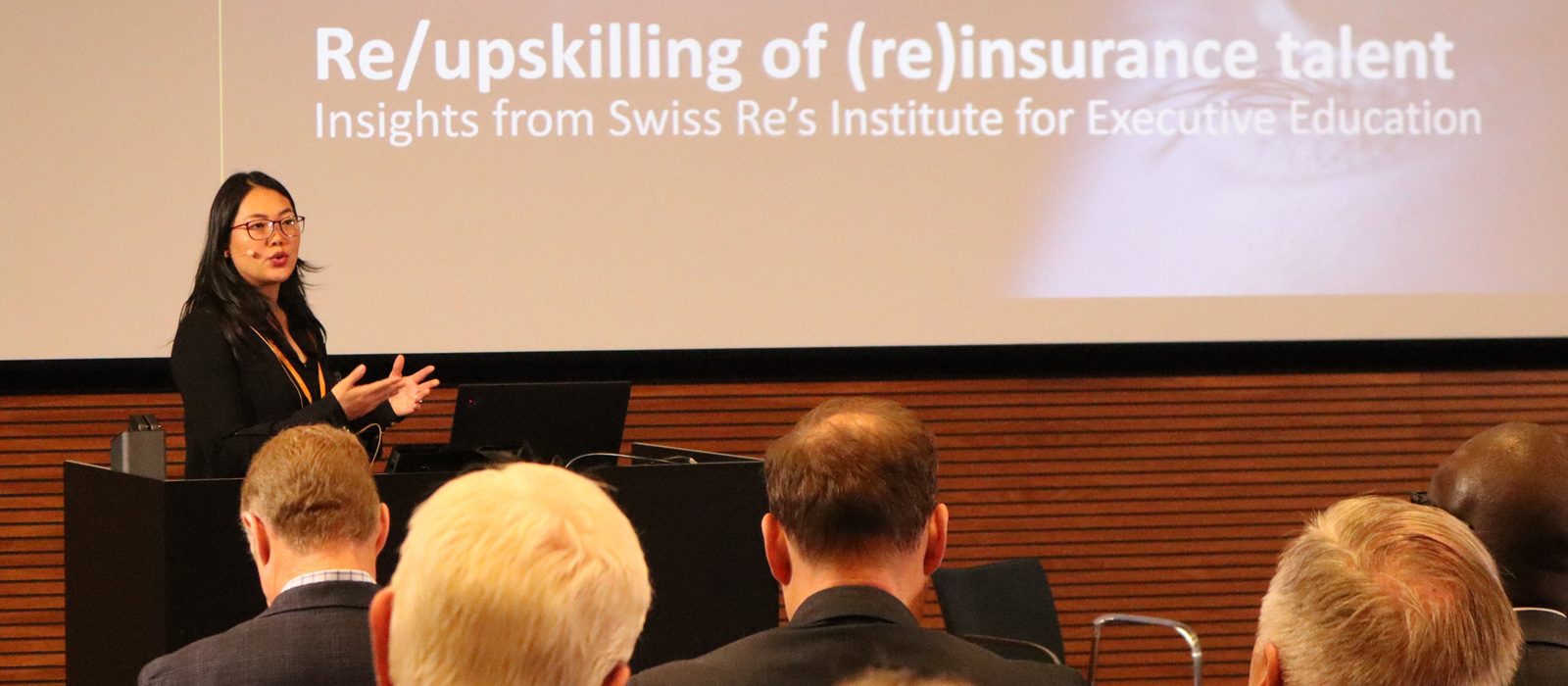
The (re)insurance sector is undergoing rapid transformation, driven by technological innovation, climate-related risks, and shifting customer expectations. At the same time, the industry faces an urgent talent challenge. Large numbers of experienced professionals are nearing retirement, while younger generations show limited interest in insurance careers and frequently change roles. These trends have created critical skill gaps, particularly in functions such as underwriting and claims.
To meet this challenge, Swiss Re has embedded upskilling and education into its strategic priorities. Drawing on over 160 years of expertise, the organisation transforms research, data and core business insights into tailored training programmes. These are now accessible beyond its client base, extending to governments, educational institutions, and consulting firms—recognising the sector-wide need to develop talent more broadly.
Swiss Re emphasises the importance of retaining core technical capabilities, such as pricing methodologies and legal policy knowledge, while also promoting a more holistic approach to learning. Today’s underwriters, for example, must combine technical proficiency with an ability to connect insights across markets, data and human behaviour. This blended skillset is essential for navigating today’s increasingly complex risk environment.
Training at Swiss Re includes a mix of simulation-based learning, AI-focused workshops, and self-directed onboarding modules. This practical, immersive approach is designed to engage both existing employees and younger professionals, who increasingly value purpose-driven work, mental health support and development opportunities. Investing in learning also supports retention, with studies showing a strong link between professional growth and employee loyalty.
Beyond skill-building, Swiss Re views education as a vehicle for resilience across the reinsurance value chain. By fostering a culture of continuous learning, activating the knowledge of retiring professionals, and promoting collaboration across sectors, the organisation aims to ensure the industry remains adaptable and future-ready.
In a landscape defined by disruption, upskilling is no longer optional, it is fundamental. Swiss Re’s approach shows that with the right strategy, training can close capability gaps, attract new talent, and safeguard institutional knowledge, positioning the reinsurance sector for sustainable success.
Speakers:
- Laura Miettunen, Project Director, Health and Personal Insurance, LocalTapiola (Finland)
- Janice Nieman, Senior Manager, Research & Product Development, AmericanAg (USA)
- Ana Yang, Vice President, Institute for Executive Education, Swiss Re (Switzerland)