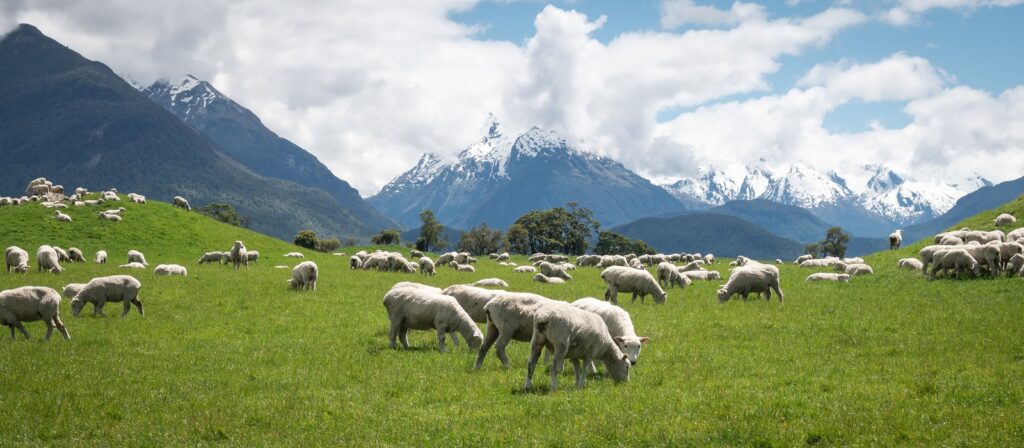
Founded in 1905, FMG (Farmers’ Mutual Group) is New Zealand’s leading rural insurer and a 100% New Zealand–owned mutual. Its mutual structure means it operates not for shareholders but for its members, embedding a culture of responsibility, transparency and care. When Cyclone Gabrielle struck in 2023, FMG’s response was shaped by its values of belonging, knowledge and relationships, demonstrating how mutuality can drive resilience in times of crisis.
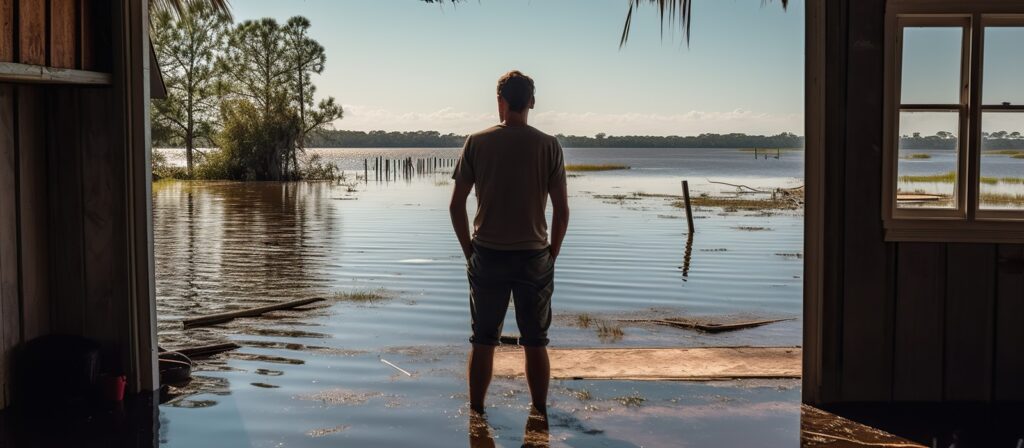
Cyclone Gabrielle was one of the most severe weather events to hit New Zealand in decades, causing widespread flooding, infrastructure damage, and significant disruption across rural communities. For FMG, it meant an unprecedented surge in claims and a direct test of its ability to serve members under extreme pressure. The event not only challenged operational capacity but also became a defining moment to demonstrate transparency, empathy, and the value of a mutual model.
Transparency in crisis
From the outset, FMG prioritised open communication. With claims volumes rising and services stretched, the company paused mainstream advertising and focused on updating clients through SMS, radio, press and digital channels. Acknowledging delays honestly while offering reassurance helped maintain trust. Vulnerable members were prioritised, ensuring those in greatest need were supported first.
The organisation also demonstrated care beyond insurance. Staff distributed more than 200 meals in affected regions, often in partnership with the Rural Support Trust. These gestures not only met immediate needs but also created opportunities to check in on farmers’ wellbeing, strengthening FMG’s reputation as a partner embedded in the community.
Rebuilding through partnerships
By mid-2023, FMG reintroduced brand campaigns under the theme “here, there and everywhere,” emphasising its enduring presence in rural life. Sponsorships such as Young Farmer of the Year and wellbeing initiatives like Farm Strong were central to this narrative. Farm Strong, co-founded with the Mental Health Foundation, provides farmers and families with resources to maintain mental and physical health — a model now adopted in Scotland.
These partnerships reinforced FMG’s brand essence of achievement and belonging. Rather than positioning itself solely as an insurer, FMG highlighted its role in supporting rural resilience and community progress. This holistic approach differentiated it from competitors who had to establish temporary operations in affected regions, while FMG could point to the fact that “we never left.”
Lessons and looking ahead
Looking ahead, FMG is building on the lessons of the cyclone by strengthening its crisis readiness, expanding community partnerships, and reinforcing its mutual identity. Its experience shows that resilience in rural New Zealand relies on more than insurance — it depends on trust, presence and a willingness to stand alongside members in their toughest moments. For FMG, the future is about continuing to honour its founding principle of farmers supporting farmers, while adapting to new challenges with the same dependability that has defined it for more than a century.