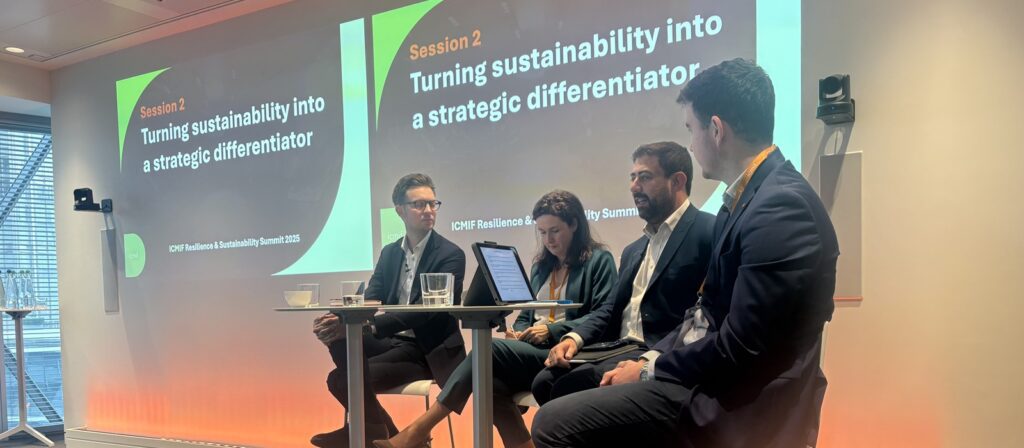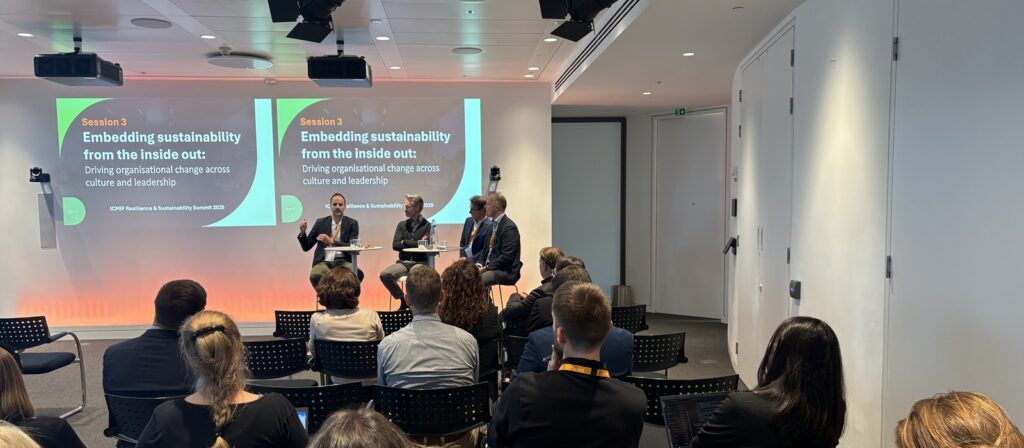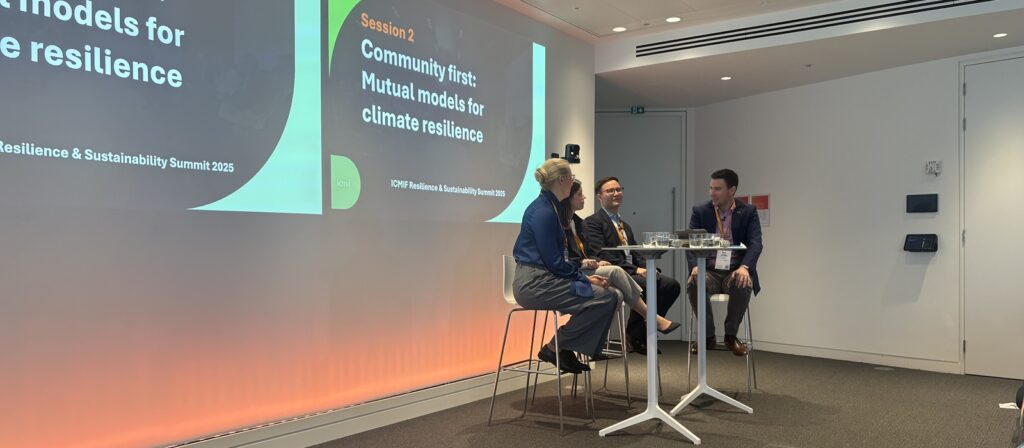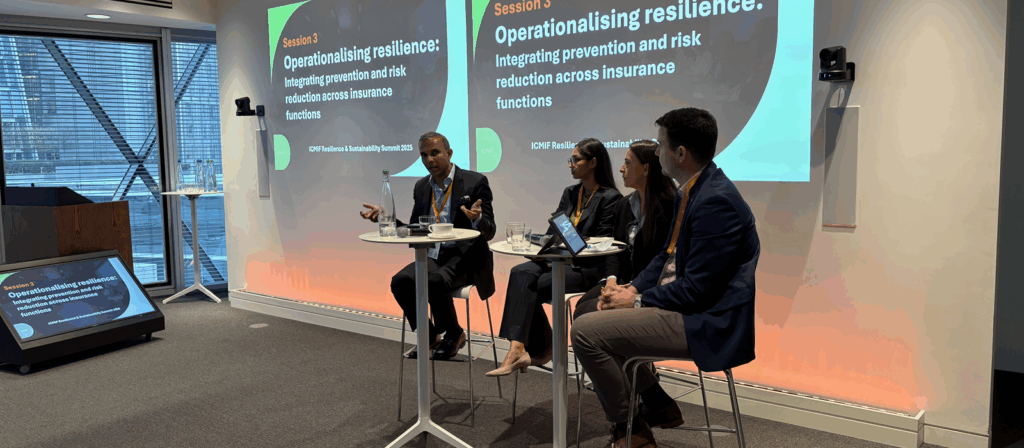
The insurance sector is undergoing a profound transformation, with partnerships emerging as the cornerstone of progress and resilience. Leading organisations across the industry increasingly recognise that no single company or institution can address the scale and complexity of global risks alone. Cross-border, cross-sector, and cross-system collaboration is now viewed as essential for building robust, future-ready insurance systems that can withstand rapid global change and close persistent protection gaps.
Mutual and cooperative insurers, in particular, are seen as trusted partners for reaching underserved communities and small and medium-sized enterprises (SMEs). Their community-first governance models and long-term commitment to stability position them to deliver meaningful impact through global collaboration. By harnessing cross-border partnerships, these organisations support just transitions, promote inclusive resilience strategies, and influence sustainable policy at scale.
The sector’s collaborative efforts extend to innovation, with companies working together to develop client-centric products, new distribution channels, and improved claims experiences. Digital platforms and embedded insurance within value chains are being advanced through joint ventures and shared learning, enhancing accessibility and trust in insurance products.
Technology partnerships are also critical, as insurers co-invest in shared data platforms and risk analytics tools to improve risk assessment and resilience. However, the industry acknowledges ongoing challenges in ensuring that all segments of society benefit from these technological advancements, highlighting the need for inclusive approaches to partnership.
Regulatory frameworks and sustainability commitments are increasingly shaped by collective industry action. Companies are working together to advocate for robust sustainability reporting and to embed resilience within insurance terms and conditions, rather than relying solely on premium adjustments. These joint efforts are seen as vital for aligning financial protection with social purpose and for delivering insurance systems that are both inclusive and sustainable.
Looking ahead, the insurance industry is set to play a more prominent role in global climate discussions, with initiatives such as the “house of insurance” at COP 30 in Brazil showcasing the sector’s contribution to climate resilience. Companies are urged to adopt people-centric approaches to climate finance and to focus on implementation-driven partnerships with governments, communities, and other stakeholders, ensuring that collaboration remains at the core of the industry’s evolution.
Speakers:
- Kipkorir Koskei, Director, Strategic Partnerships & Policy, Insurance Development Forum (IDF)
- Saurabh Sharma, Global Technical Lead – Nature & Inclusive Insurance, United Nations Development Programme (UNDP)
- Swenja Surminski, Managing Director Climate and Sustainability, Marsh McLennan (UK)
- Mathieu Filippo, Senior Manager, Prudential Supervision and Sustainability, Achmea (Netherlands)