ICMIF member Seguros Unimed (Brazil), the insurance and financial arm of the Unimed System, will offset more than 500 tons of CO₂ per year as part of a partnership with the Biodiversitas Foundation and 6BIOS.
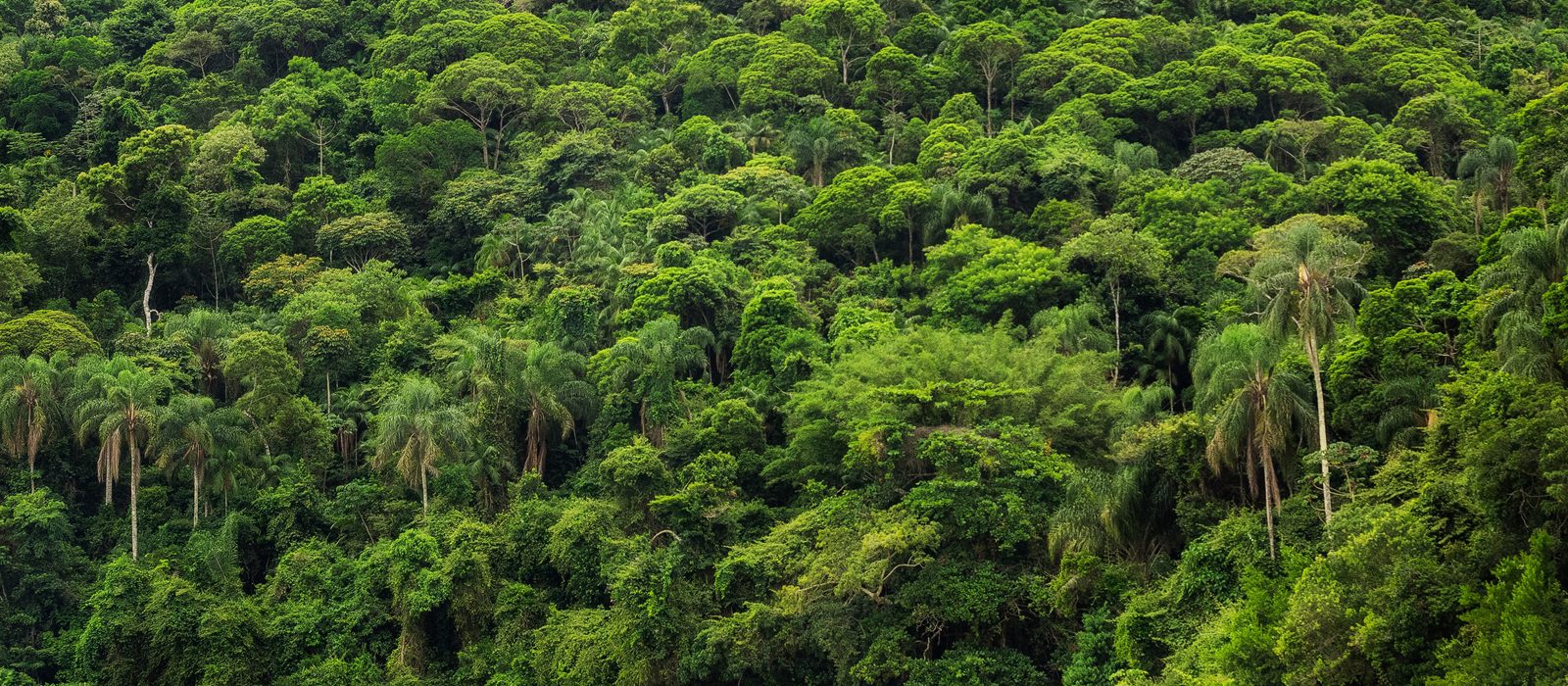
Announced on 14 November during the COP30 Global Sustainable Insurance Summit in Belém (Brazil), the partnership builds on Seguros Unimed’s existing commitment to protecting Brazil’s biodiversity. The insurer has been working closely with Biodiversitas Foundation since 2019 to support four of permanent protection reserves: Mata do Sossego, Mata do Passarinho, Ninho da Tartaruga and Canudos Biological Station.
"We operate in a sector specialised in identifying, measuring and pricing risks. But, in the face of the climate emergency, we understand that there is an even more relevant risk: environmental risk," said Helton Freitas, President of Seguros Unimed. "This initiative that we present today reinforces an essential pillar of cooperativism: the commitment to the community," he added.
The initiative forms part of the Private Natural Heritage Reserve Sponsorship and Monitoring Programme (RPPNs) which aims to reach 150 thousand hectares protected by 2026 and to reach five million hectares by 2030.
Freitas said the carbon offset model was designed to be “applicable, accessible and replicable”, adding that it could be used by any organisation to “contribute transparently and with real results to biodiversity conservation”.
"It is a robust, necessary and urgent agenda," said Jorge Velloso, Superintendent of the Foundation. "Seguros Unimed is already our long-time partner and, once again, demonstrates vision. Protecting biodiversity is protecting people. Taking care of nature means taking care of health. Prevention starts before assistance: it's not just providing an ambulance or doctor, it's preserving ecosystems so that people don't get sick," he added.
"This is a pioneering model. Now, we are taking it to a new level by quantifying this contribution and directing it towards offsetting our carbon footprint. Therefore, we are especially happy to announce this step during such a symbolic event, reaffirming our socio-environmental responsibility as a cooperative insurer that takes care of people and the planet", concluded Freitas.