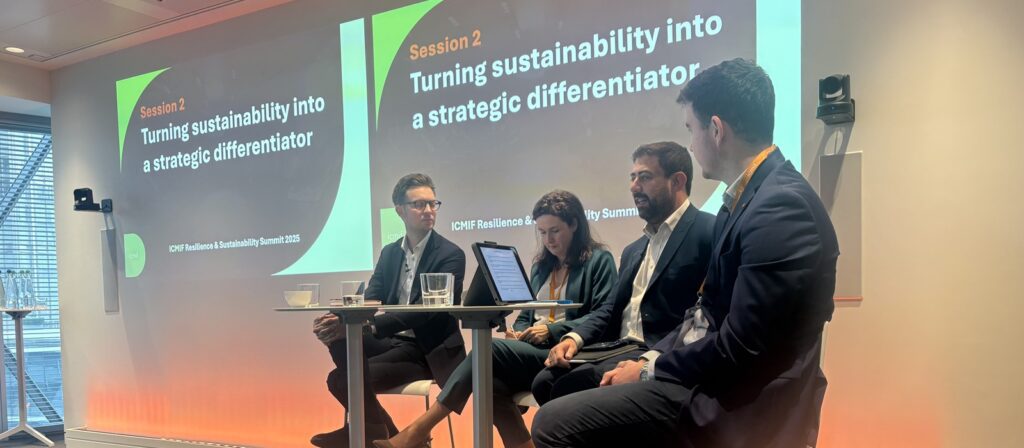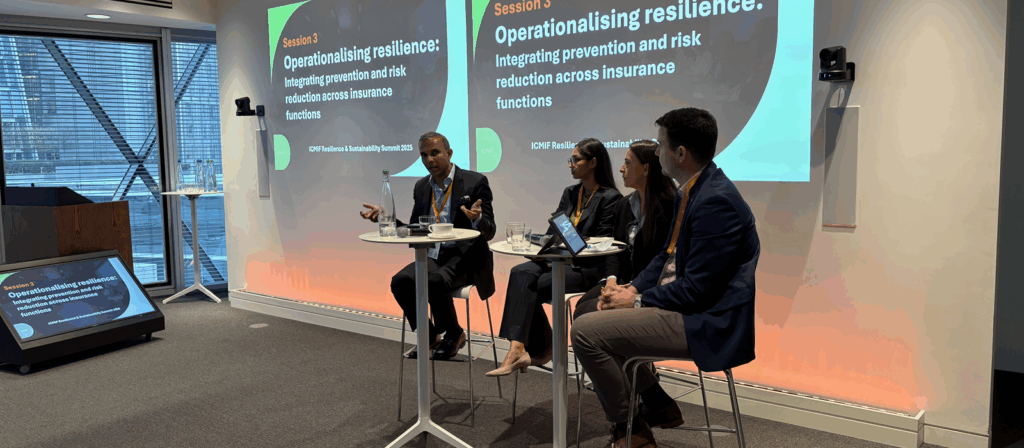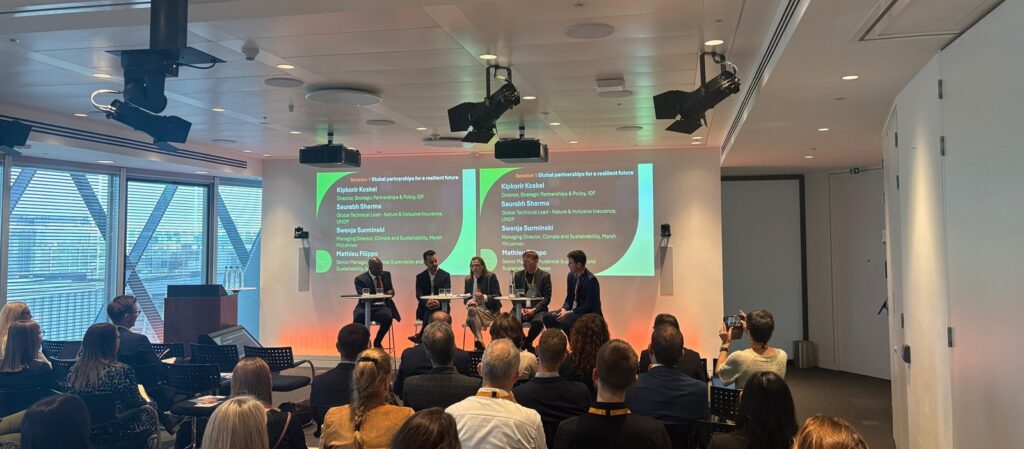
EY positions sustainability as an intrinsic element of the general insurance sector, rather than a separate or imposed agenda. The company observes that mutuals and cooperatives within insurance demonstrate a natural commitment to supporting communities, such as those impacted by earthquakes, farmers, and breeders. This approach is seen as a reflection of organisational culture, not merely a regulatory requirement.
EY asserts that sustainability has always been at the heart of insurance, even before it became a prominent topic. The company highlights that the sector’s core activities, managing risks and closing protection gaps, are fundamentally aligned with sustainable practices. While the terminology may have evolved, the underlying principles remain unchanged.
The insurance industry faces increasing regulatory demands, disclosure requirements, and heightened expectations from customers, employees, and investors. EY acknowledges these challenges but encourages a shift in perspective: rather than focusing solely on risks, organisations should identify opportunities to create value. This includes improving customer loyalty, retention, and profitability through innovation in products and services, as well as enhancing employee engagement and attracting talent.
EY emphasises the necessity of CEO commitment for successful sustainability initiatives. The company notes that sustainability must be viewed in terms of positive value creation, not just as a cost or burden. By aligning sustainability with business objectives—such as increasing revenue, improving tax efficiencies, and accessing new funding sources—organisations can move from compliance-driven approaches to strategies that deliver financial and societal benefits.
EY categorises companies in the insurance sector as defensive, compliant, observers, or pioneers. Defensive firms may deny climate change, while compliant organisations meet only the minimum regulatory requirements. Observers and pioneers, however, are beginning to adopt longer-term strategies, with pioneers leading the way in integrating sustainability across industries and public-private partnerships. EY’s research indicates a growing polarisation between these groups, with some showing signs of fatigue due to geopolitical and economic pressures.
EY advocates for embedding sustainability into every aspect of business operations, from product development to customer engagement. The company suggests that sustainability should be leveraged as a competitive advantage, driving both business growth and brand value. By doing so, organisations can enhance trust, increase employee and customer engagement, and ultimately improve financial performance.
EY recommends using regulatory requirements as a catalyst for action, both internally and externally. The company also highlights the importance of adopting technology to reduce costs and free resources for innovation. ESG investments and collaboration with customers are identified as key opportunities for creating value beyond mere compliance.
EY underscores the strategic importance of sustainability officers, advocating for their inclusion in the company’s leadership team. These officers should be empowered with resources and authority to guide the organisation’s sustainability journey, ensuring that sustainability remains central to strategic decision-making.
EY’s approach to sustainability in general insurance is holistic, positioning it as a core business strategy rather than a peripheral concern. By embedding sustainable practices throughout the organisation, leveraging regulatory and technological advancements, and empowering leadership, EY believes that insurance companies can achieve long-term value for both business and society.