
In an industry focused on speed and scale, ICMIF member discussions reveal a more deliberate, purpose-led approach to AI adoption. In this article, ICMIF’s Chief Membership Officer, Ben Telfer, synthesises insights from recent member discussions and the inaugural AI Summit, exploring how mutual insurers are progressing along the AI maturity journey. He highlights how ICMIF’s trusted, global peer network supports members in adopting AI responsibly, collaboratively and with a clear focus on long-term member value.
Across the ICMIF network, leaders are increasingly asking similar questions. Where can AI create meaningful business value? How do we move beyond pilots and isolated use cases? And how can organisations adopt AI in ways that reinforce trust rather than undermine it?
AI has rapidly moved from a topic of curiosity and experimentation to one of the most significant strategic priorities facing insurers today. The conversation is no longer about whether AI will impact the industry, but how organisations can harness it responsibly to improve performance, strengthen member value and build long-term resilience.
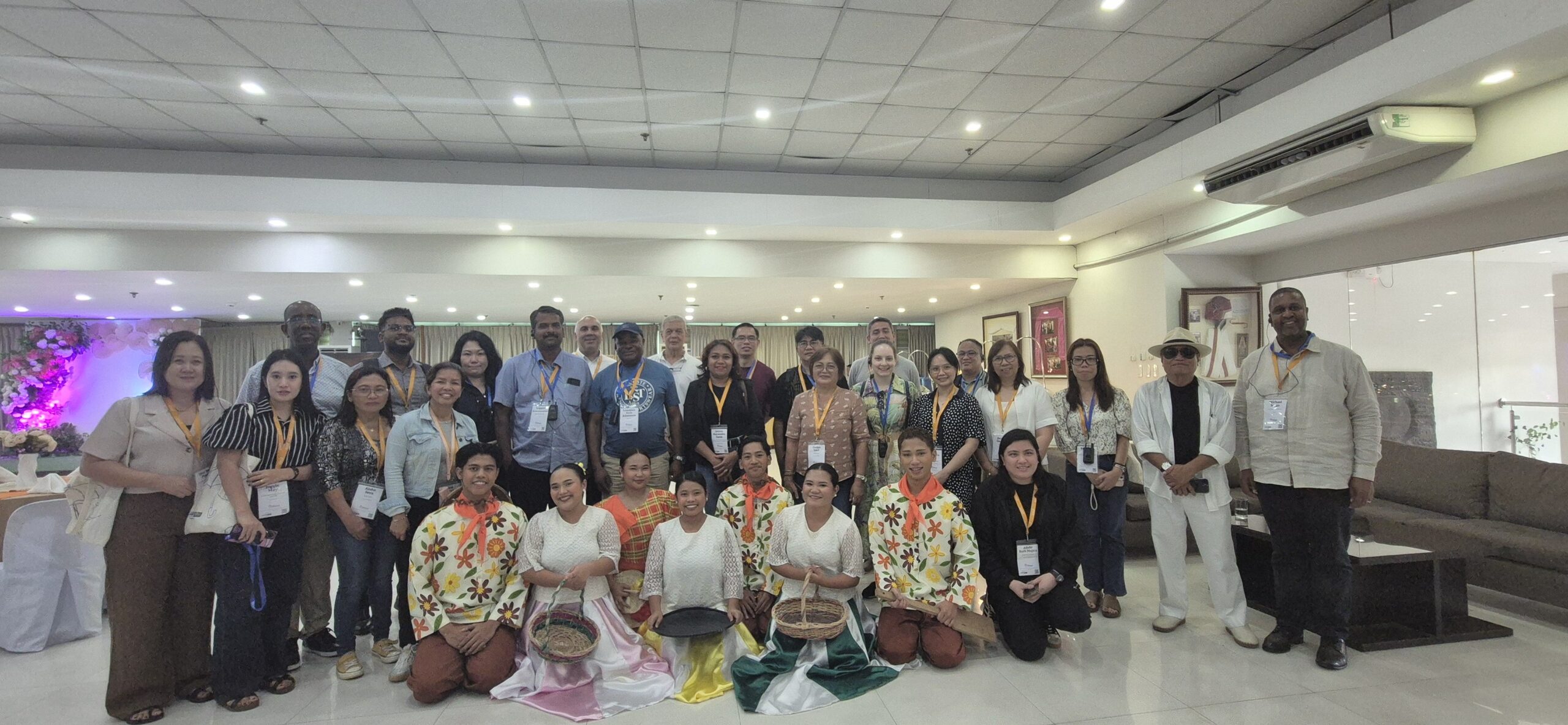
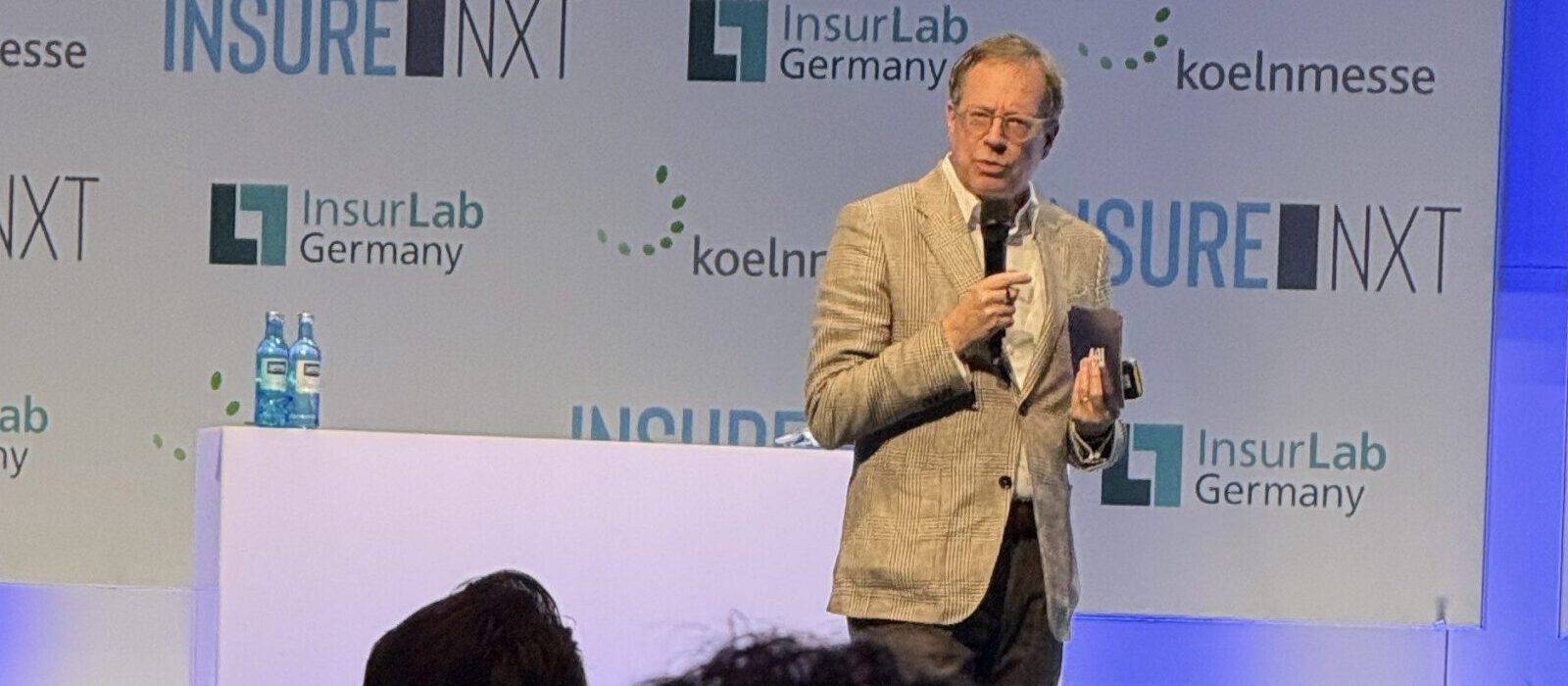
The topic has shaped the agenda and dialogue across recent ICMIF CEO and strategy forums. Most notably, our AI Summit in May – ICMIF’s first event dedicated exclusively to AI – provided a platform for 40+ leaders and experts to explore these questions in depth and exchange insights with peers from across our global network.
A clear picture is emerging: while organisations are progressing at different speeds, AI is becoming a core business priority rather than a standalone technology initiative. The challenge is no longer experimentation, but turning potential into measurable value.
AI maturity is defined by business integration, not technology
The key takeaway from these recent member discussions is that AI maturity is not defined simply by who has the most advanced technology.
Instead, maturity is determined by how clearly AI is connected to business priorities, how ready the organisation is to use it responsibly, and how effectively people, processes, data and governance are brought together.
Leaders are therefore focused on balance. They are exploring how AI can drive efficiency and innovation, while embedding strong governance, ethical guardrails and transparency to protect member trust. At the same time, workforce implications remain central, with a strong emphasis on reskilling, adoption and cultural alignment.
Members are at different stages of AI maturity
The discussions highlighted three broad stages of AI maturity across ICMIF members. These stages are not fixed categories, and many organisations are operating across more than one at the same time. However, they provide a useful framework for understanding where members are focusing their efforts and what support they need next.
- Building foundations and confidence
For some members, the immediate priority is creating the foundations for safe and effective AI adoption. This includes improving data quality, establishing governance, defining responsible use and building internal awareness. AI is typically introduced through pilots, productivity tools and controlled experimentation, with a focus on ensuring activity remains aligned to business priorities.
- Scaling practical use cases
A second group of members is focused on scaling practical use cases in areas such as claims, document processing, customer service, fraud detection and workflow automation. The emphasis shifts from identifying opportunities to delivering measurable outcomes, with AI increasingly embedded within broader business transformation programmes.
- Redesigning processes and preparing for the next wave
The most mature organisations in terms of AI are looking beyond individual use cases towards process redesign, reusable AI capabilities and more advanced human-AI workflows. This requires stronger data foundations, clearer governance and closer collaboration between business and technology teams.
Interest in agentic AI is beginning to grow, although members remain cautious about autonomy in high-impact insurance decisions. Those organisations that are looking towards the next wave of AI innovation – what Microsoft defines as “Frontier Firms” – are already exploring concepts such as where human judgement and AI agents work together to scale expertise, improve decision-making and unlock new sources of value.
The strongest common theme: AI must be connected to business value
Across all discussions, one theme stands out clearly. AI must be connected to tangible business outcomes.
The question is no longer whether AI is interesting or innovative. The focus is on where it can create measurable value for members, policyholders, employees and the organisation. This was reinforced by a poll of attendees at the recent AI Summit, where 65% of respondents identified operational efficiency and automation as the area where AI is currently creating the most value for their business. Others pointed to better claims outcomes, stronger underwriting support, improved customer and member experiences, faster access to knowledge and decision-making, and more effective use of organisational data as important areas of impact.
This is one of the clearest signs of growing maturity. Members are becoming more disciplined in their approach, prioritising use cases, evaluating value against complexity, and looking for ways to reuse capabilities across the organisation rather than building isolated solutions.
Data remains the biggest shared constraint
Despite progress, data readiness remains the most consistent challenge raised by members.
AI initiatives quickly expose weaknesses in data quality, fragmented systems, inconsistent documentation and unclear ownership. In many cases, the limiting factor is not the AI model, but the information environment around it.
This has important implications for scaling AI. Members that want to move beyond experimentation need to invest in stronger data foundations, integration and information management. The key lesson is clear: AI readiness is closely linked to data readiness.
Responsible AI is becoming a defining priority
Another major takeaway is that members are not treating responsible AI as an afterthought.
Governance, explainability, privacy, security and regulatory readiness are being considered early, particularly where AI interacts with customers or influences decisions. Human oversight remains central, especially in areas such as underwriting and claims outcomes where trust and fairness are critical.
This reflects the broader context in which mutual insurers operate. Trust is not just an outcome; it is a defining characteristic that must be protected as AI adoption accelerates.
Skills, culture and adoption are as important as technology
The discussions also highlighted that AI adoption depends heavily on people.
Members are investing in AI literacy, training, leadership sponsorship and cross-functional ways of working. The challenge is not simply to provide access to tools, but to ensure employees are confident and capable of using them responsibly in their daily work.
For more mature organisations, the focus is moving further toward redesigning work itself. AI cannot simply be layered on top of existing processes. To realise value, workflows, roles and decision points need to be rethought, often around a human-in-the-loop model.
What this means for ICMIF members
ICMIF members are progressing at different speeds but face many of the same challenges: prioritising AI initiatives, building strong data foundations and governance, and turning pilots into measurable business value.
These shared challenges create opportunities for collaboration. Members can learn from each other’s successes, lessons and practical approaches, sharing use cases, governance models and scaling experiences. In a rapidly evolving field like AI, trusted peer exchange helps accelerate progress while reducing risk.
This is where ICMIF adds unique value. Through its global network, ICMIF provides a trusted, non-competitive environment for members to share experiences, explore AI use cases and connect with peers at similar stages of maturity – something already apparent in the small group discussion at May’s in-person event.
Our partnership with Microsoft, as an ICMIF Supporting Member, also provides members with access to global expertise, emerging trends and cross-industry insights on AI-driven transformation.
Building the organisational maturity to use AI well
Looking ahead, success will depend less on adopting AI and more on building the organisational maturity to use it effectively. This means aligning AI initiatives with strategic priorities, strengthening data and governance foundations, and equipping employees to work confidently alongside new technologies. The organisations creating the greatest value are those embedding AI into business processes and decision-making, rather than treating it as a standalone technology programme.
ICMIF members are increasingly seeking practical examples from peers across our global network, as well as opportunities to explore shared approaches where scale is a challenge. ICMIF’s ability to identify common challenges and opportunities across its membership, and to convene curated peer groups around them, positions us well to support members as they navigate the next phase of their AI journey.
As AI capabilities continue to evolve, the opportunity extends beyond efficiency gains to strengthening the mutual model itself through enhanced member value, greater trust and stronger long-term resilience. By helping members learn from one another and translate AI into practical business outcomes, ICMIF can play an important role in realising that opportunity.