InsurTech has emerged as a transformative force in the insurance industry, sparking debate over its long-term value. With more than $60 billion invested globally over the past decade, the sector’s growth has been both impressive and uneven. From its early days as a disruptor to its current integration into mainstream insurance practices, InsurTech continues to shape the future of the industry.
At its core, InsurTech encompasses any use of technology within or around the insurance industry. Two primary business models dominate the landscape: companies that create software for insurers and digitally-enabled MGAs (managing general agents) or insurers. These entities leverage technology to enhance operations, customer engagement, and product innovation.
Investment in InsurTech has fluctuated significantly, peaking at nearly $16 billion in 2021 before stabilising in subsequent years. Interestingly, a large proportion of funding has recently been directed toward companies claiming artificial intelligence (AI) capabilities. In Q3 2024 alone, AI-powered InsurTechs attracted over half of the total sector funding, underlining the technology’s perceived importance.
AI has captured much of the sector’s attention, often seen as the cornerstone of modern InsurTech. Its potential to enhance underwriting, claims processing, and operational efficiency is undeniable. Yet, challenges remain, including data quality, transparency, bias, and the risk of undermining the insurance industry’s core principle of shared risk. AI’s most significant impact lies in creating efficiencies within data-rich environments. For instance, machine learning supports underwriters in risk assessment, while text analytics and image recognition revolutionise claims handling. Despite its transformative potential, AI should be viewed as a tool to complement human expertise rather than replace it.
Mutual insurers are uniquely positioned to harness InsurTech. Their focus on long-term goals and deep understanding of member needs align well with the patient, targeted approach required for successful technology adoption. This inherent advantage allows mutuals to make strategic investments, often outperforming stock companies in leveraging InsurTech solutions.
InsurTech has undoubtedly reshaped the insurance landscape, moving from a great experiment to a source of real value for many. However, the industry must navigate challenges carefully to realise its full potential. By aligning technology with strategic goals and leveraging its strengths judiciously, insurers can remain relevant in an increasingly digital world. Whether InsurTech represents the future or a passing phase will depend on its continued evolution and tangible contributions to the industry.
Unipol, an Italian insurance leader established in 1963, has grown from a cooperative-owned company to one of the foremost players in Italy’s financial landscape. Initially designed to serve cooperative markets, it leveraged its status as a limited company to facilitate growth and innovation. By 2010, Unipol had solidified its position as Italy’s fourth-largest insurance provider. Recognising the need for technological investments and market expansion, it embarked on an ambitious growth strategy. This included the acquisition of significant assets, enabling Unipol to emerge as the nation’s largest non-life insurer by market share. Its success in motor and health insurance reflects its ability to adapt to consumer needs and operational challenges.
Digitalisation lies at the heart of Unipol’s long-term strategy. By creating a dedicated tech division, the company leverages artificial intelligence and big data to optimise operations and personalise customer experiences. For instance, automated claims processing is now increasingly managed through AI, significantly reducing costs and response times.
In addition to its traditional insurance offerings, Unipol has diversified its services by adopting an ecosystem approach. Its foray into long-term vehicle rentals and health clinic networks demonstrates its ability to meet evolving consumer demands. For younger customers prioritising usage over ownership, these services strengthen Unipol’s role as a comprehensive provider.
Unipol’s adaptability extends to managing macroeconomic and environmental challenges. With Italy facing an uptick in extreme weather events, the organisation employs stochastic modelling and AI to predict and mitigate climate risks. This forward-thinking approach enables Unipol to maintain stability despite market volatility.
Seguros Unimed (Brazil) represents the largest medical cooperative system worldwide. Innovation is a cornerstone of Seguros Unimed’s strategic vision. Since establishing its innovation cell, “Stormia,” in 2016, the organisation has prioritised embedding cutting-edge technology across its operations. Stormia fosters a culture of innovation, driving the development and implementation of transformative ideas. Initiatives like Innovation Week, podcasts, and bootcamps empower employees to engage actively with emerging trends, ensuring a dynamic and forward-thinking workforce.
The “Data Lab” further bolsters Seguros Unimed’s innovation ecosystem by equipping employees with tools to harness advanced technologies. Its open innovation programmes and pilot projects encourage exploration and application of new solutions, reinforcing its status as a trailblazer in healthcare innovation.
Unimetrics, Seguros Unimed’s proprietary platform, integrates artificial intelligence to optimise operations, particularly in claims management and medical audits. This platform ensures efficiency and transparency in the customer journey, from initial claims to broader healthcare cost management.
“Tina,” a virtual oral health assistant, exemplifies Seguros Unimed’s commitment to practical digital solutions. Accessible via smartphones, it enables users to assess their oral health, promoting preventative care and enhancing the organisation’s healthcare insurance offerings.
Seguros Unimed places significant emphasis on internal entrepreneurship through its “Value Ideas” programme. Employees are encouraged to propose initiatives to improve efficiency and effectiveness, fostering a collaborative and innovative organisational culture.
Sustainability underpins all activities at Seguros Unimed. Its operations align with environmental, social, and governance principles, ensuring long-term viability and community support. The cooperative model reinforces its dedication to collective well-being, addressing the needs of diverse communities across Brazil.
Seguros Unimed actively engages with global megatrends such as digital humanity and sustainable economies. It emphasises the integration of human-centric approaches in digital transformation, ensuring inclusivity and productivity without marginalisation. By prioritising sustainability, Seguros Unimed reflects its commitment to fostering a resilient and sustainable healthcare system.
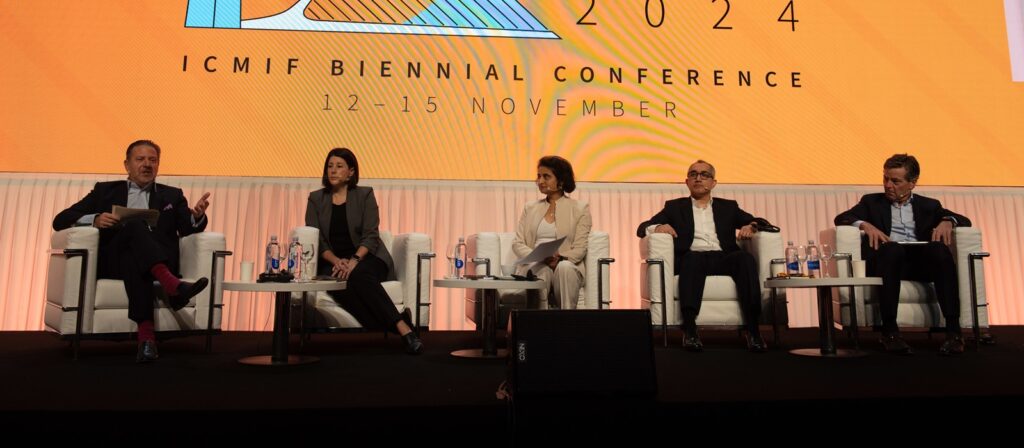
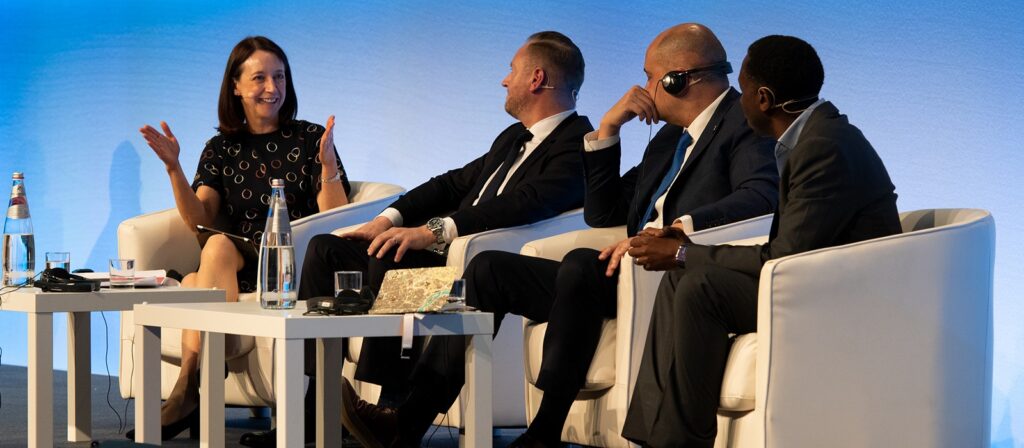
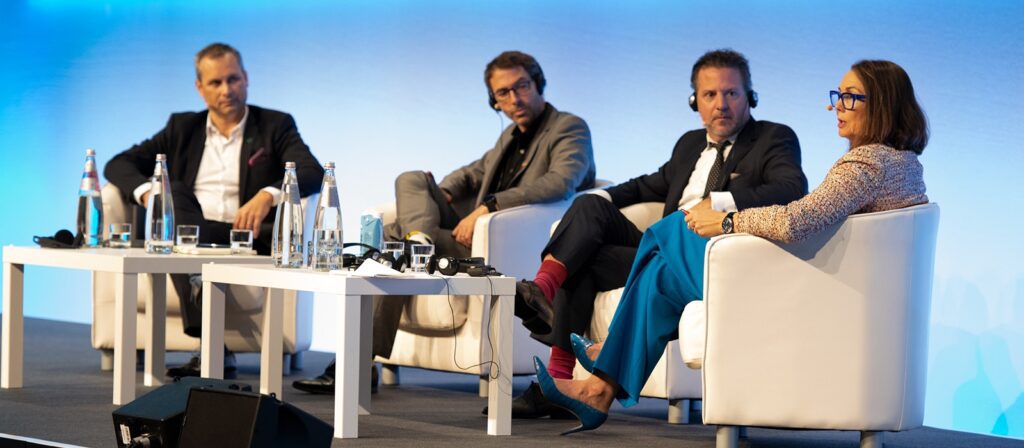
Session speakers:
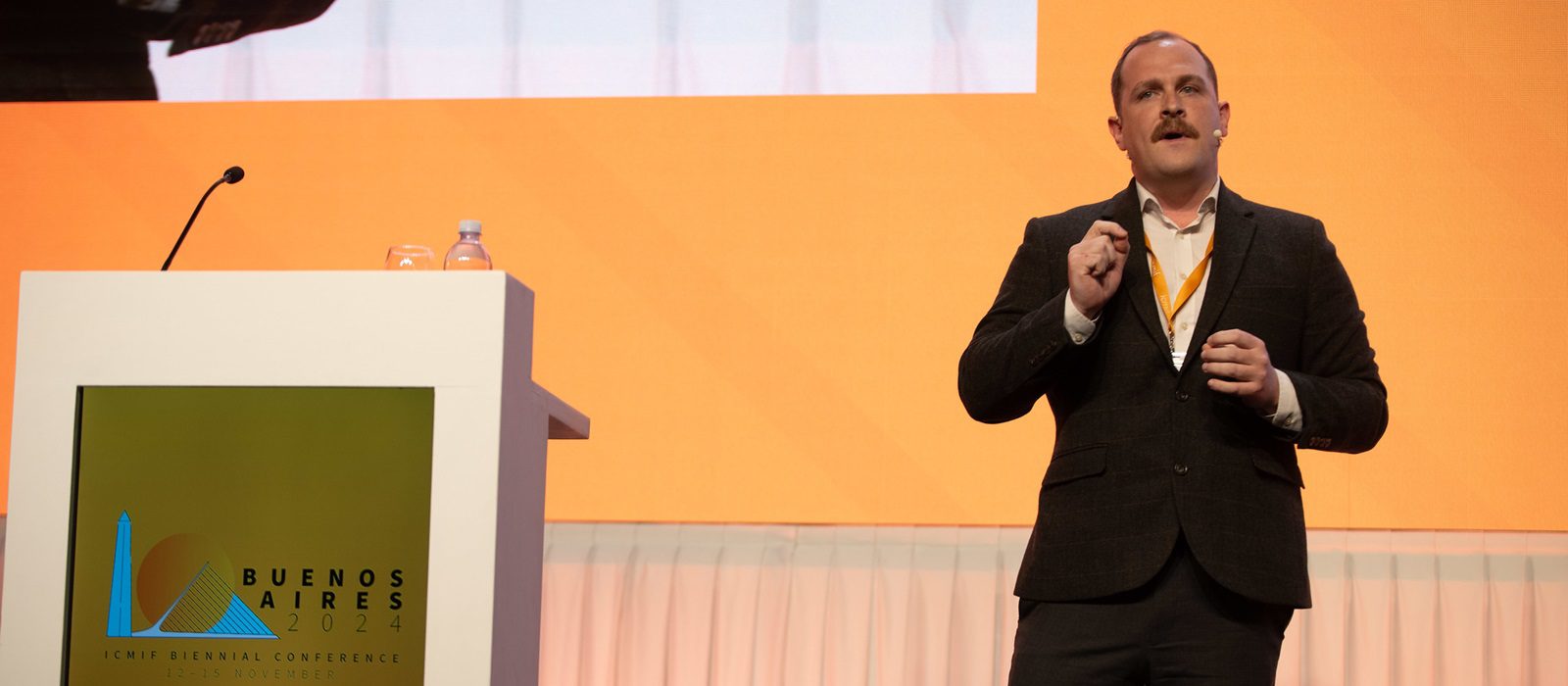
- Andrew Johnston, Global Head, InsurTech, Gallagher Re (USA)
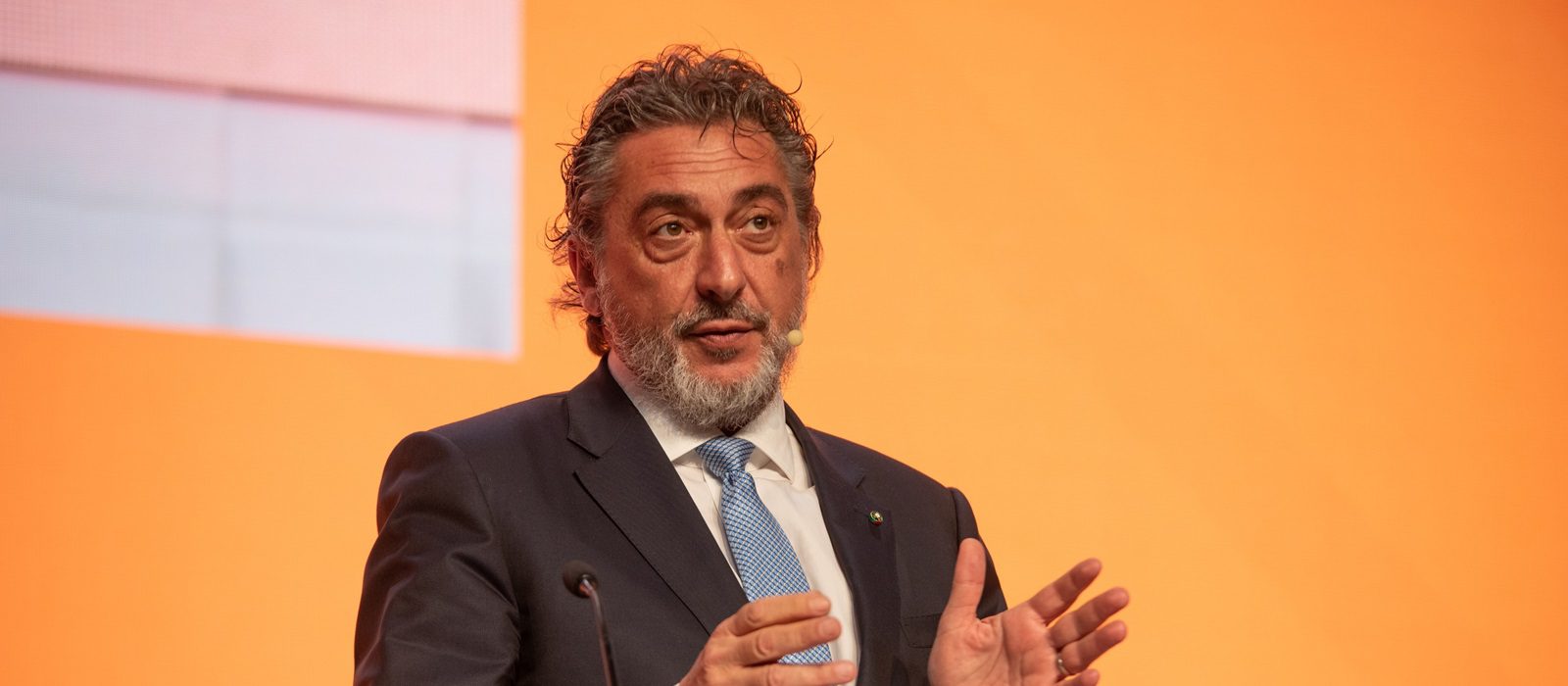
- Carlo Cimbri, Chairman, Unipol Gruppo (Italy)
- Helton Freitas, President, Seguros Unimed (Brazil)
- Andrea Keenan, Executive Vice President and Chief Strategy Officer, AM Best (USA) moderator