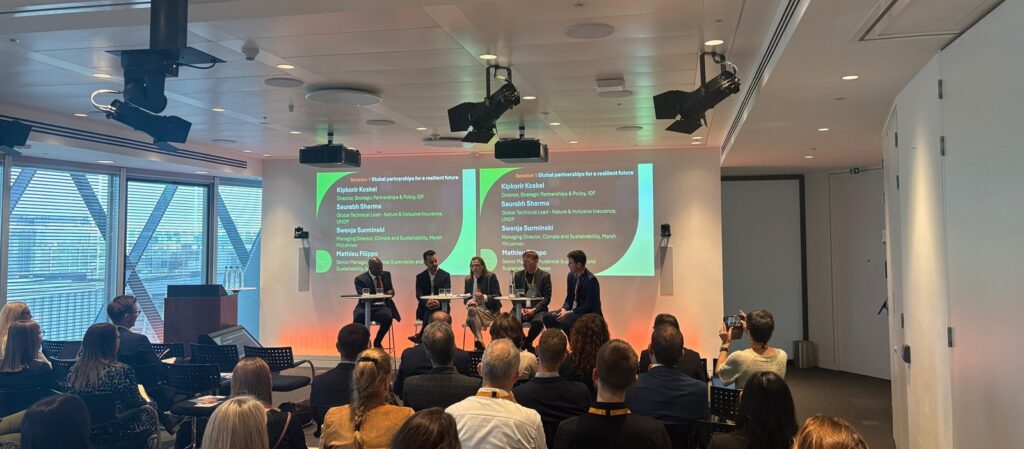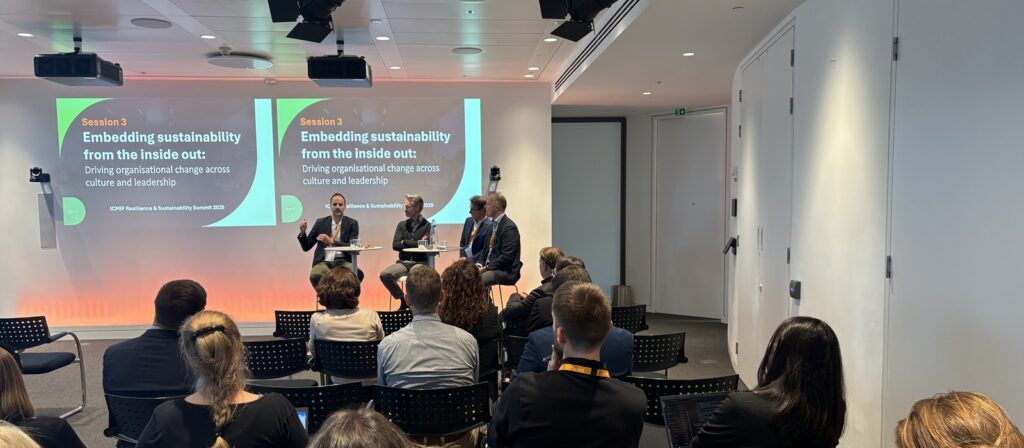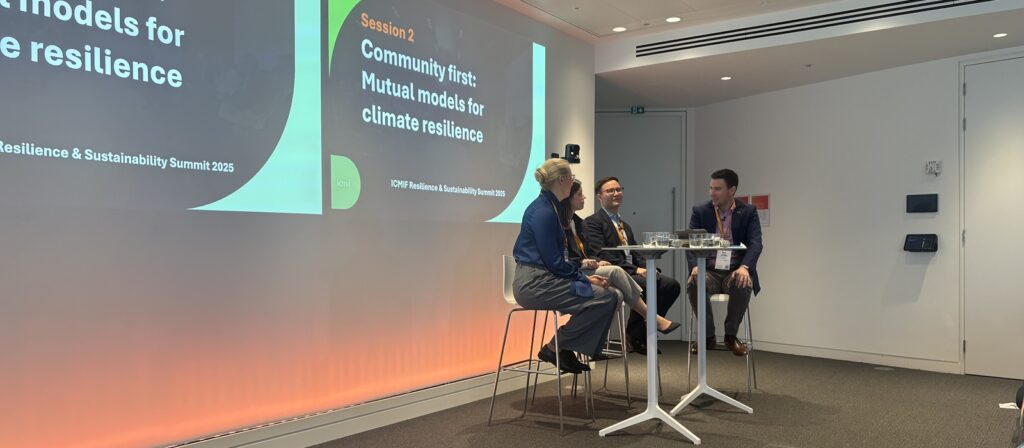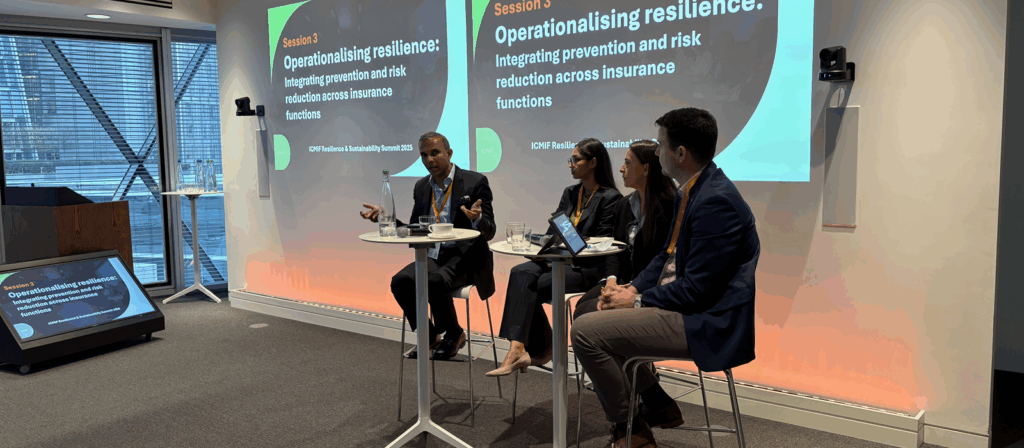
In an era where environmental, social, and governance (ESG) considerations are reshaping the financial and insurance sectors, three leading mutual and cooperative insurers Länsförsäkringar (Sweden), IPB Insurance (Ireland), and LV= (United Kingdom), demonstrate how sustainability can be transformed from a compliance obligation into a genuine strategic differentiator. Each company, while rooted in its local context and business model, illustrates a distinctive journey towards embedding sustainability at the heart of its operations, investments, and client relationships.
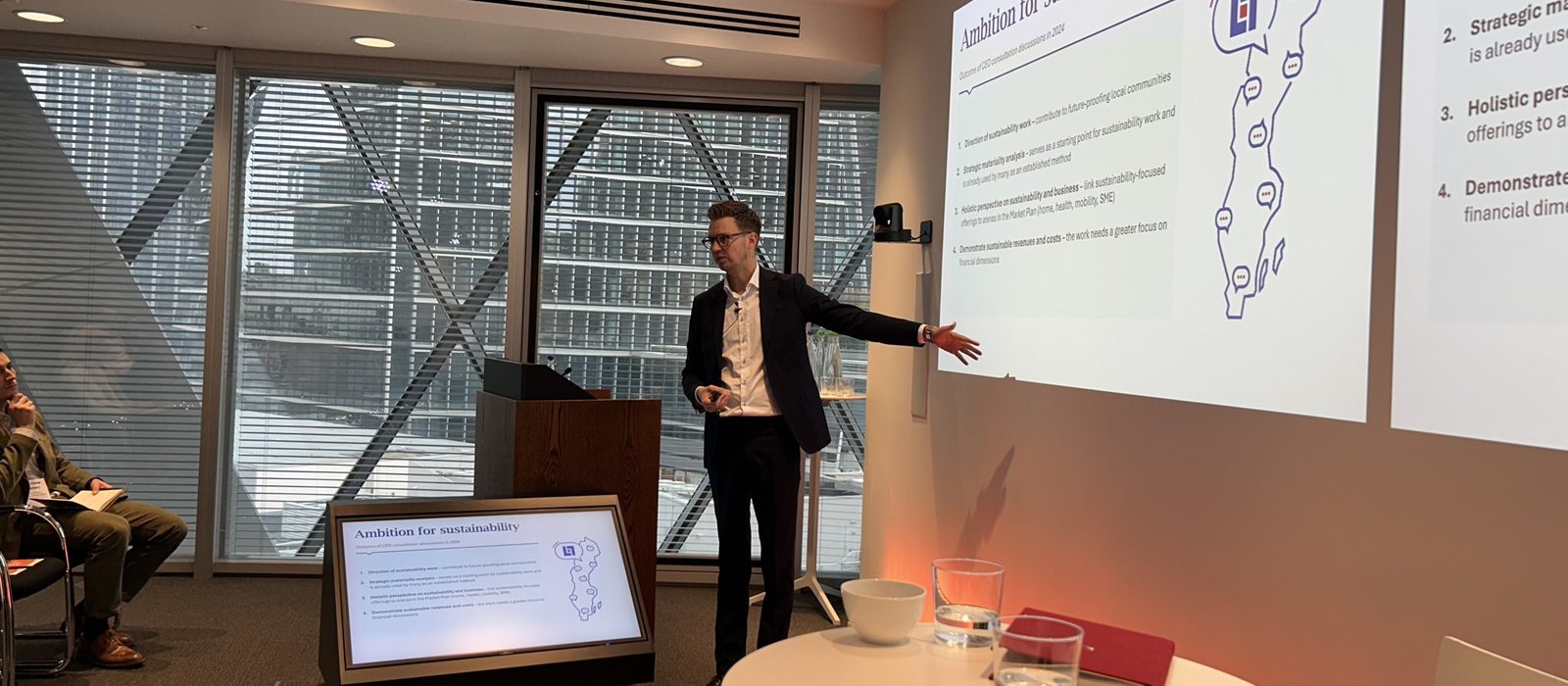
Länsförsäkringar, a Swedish mutual and cooperative insurance group, operates through a federation of regional companies, each with deep local ties and a strong tradition of community engagement. The group’s journey towards sustainability began with a recognition of the environmental changes affecting Sweden’s natural landscapes, such as the algal blooms in the Baltic Sea, which highlighted the interconnectedness of agriculture, climate, and local communities.
Historically, Länsförsäkringar’s sustainability efforts were fragmented, with various strategic documents referencing sustainability but lacking a cohesive framework. Over the past year, the group has moved decisively to embed sustainability at the strategic level. This shift was driven by a comprehensive materiality assessment, which identified the most significant risks and opportunities across the group’s insurance, banking, life and pensions, and real estate businesses.
A key insight from this assessment was the overwhelming impact of scope three emissions, those associated with investments and insured products, compared to the group’s direct operational emissions. In its 2024 sustainability report, Länsförsäkringar disclosed 16 million tonnes of CO₂ emissions, with the vast majority linked to investments and insurance portfolios, underscoring the sector’s potential to drive systemic change.
To address these challenges, Länsförsäkringar developed a flexible sustainability framework, balancing mandatory requirements with voluntary, locally-adapted initiatives. The group’s approach is characterised by transparency, with annual reports openly discussing both positive and negative impacts, and a commitment to honest dialogue with stakeholders about progress and limitations.
Investment strategy is a cornerstone of Länsförsäkringar’s sustainability agenda. Since 2018, the group has significantly increased its allocation to green, social, and thematic bonds, which by the end of 2024 accounted for 22% of assets under management. These investments are not only intended to generate financial returns but also to deliver measurable environmental and social impact. The group has developed robust processes for aggregating and communicating the outcomes of these investments, translating technical metrics such as avoided CO₂ emissions and renewable energy generation into accessible equivalents for clients and beneficiaries.
Länsförsäkringar’s experience also highlights the complexities of measuring social impact and the importance of continuous improvement. The group acknowledges the challenges of aggregating data across diverse issuers and the need for rigorous quality control in impact reporting. By engaging directly with issuers and clients, the group seeks to ensure that sustainability reporting is both credible and meaningful.
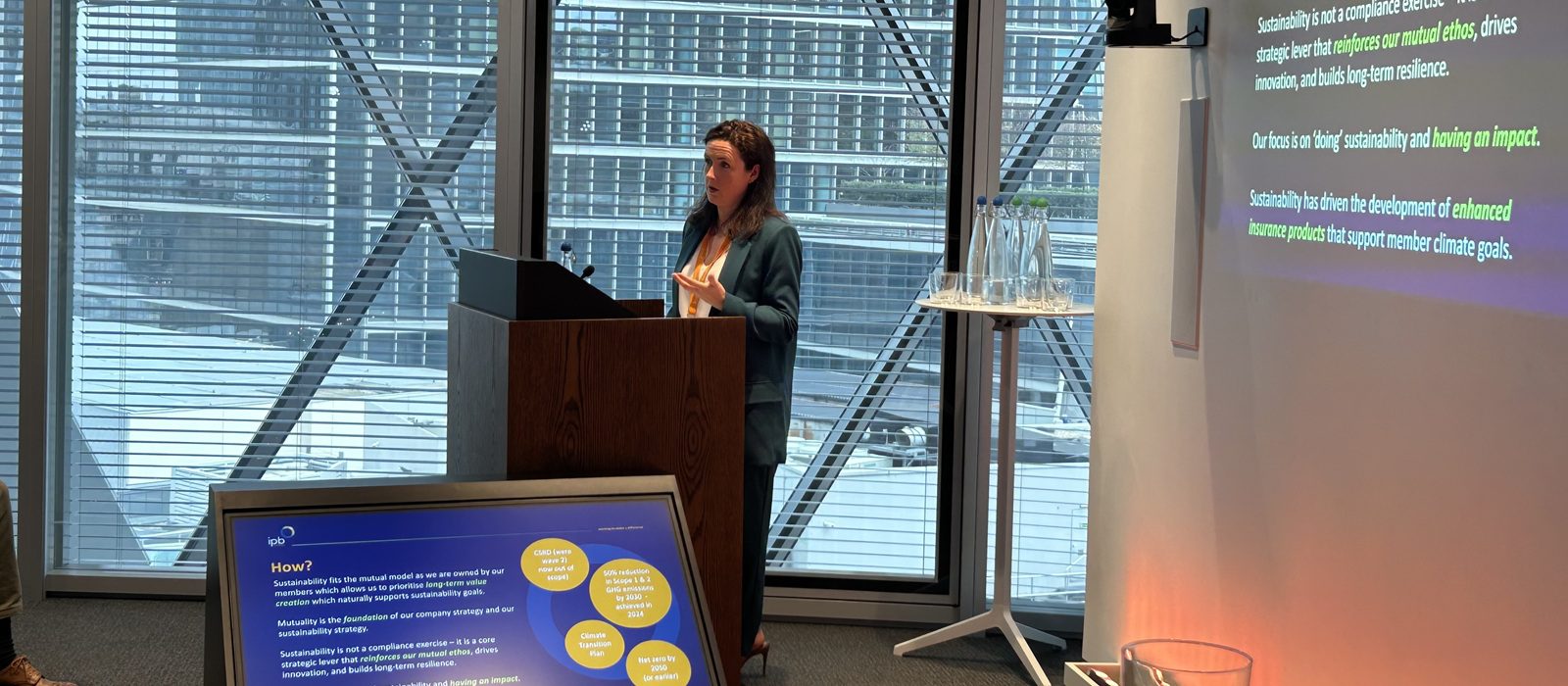
IPB Insurance, Ireland’s leading mutual insurer, positions sustainability as a natural extension of its mutual ethos and long-term commitment to public sector clients and local communities. The company’s strategy is built around supporting local authorities, government agencies, and not-for-profit organisations in their climate transition and risk management efforts.
IPB’s approach to sustainability is holistic, encompassing responsible investment, risk management, and community engagement. The company has made significant strides in responsible investing, with green, social, and sustainable bonds comprising 34% of its fixed income portfolio by the end of 2024, almost triple the Bloomberg benchmark. This achievement is underpinned by a rigorous focus on reducing the weighted average carbon intensity of its investments, with a 59% reduction achieved six years ahead of the 2030 target.
Risk management is at the core of IPB’s value proposition. The company provides advisory services, risk workshops, and technical support to its members, helping them to shift from reactive risk management to a preventative, resilience-focused approach. This includes supporting local authorities in developing and implementing climate action plans, retrofitting social housing, promoting sustainable transport, and enhancing biodiversity through community initiatives.
IPB’s insurance products are designed to incentivise sustainable choices and resilience. For example, the company offers discounts for electric vehicles, enhancements to public liability policies to address new risks such as charging cable liability, and support for microgeneration and community-led environmental projects. These initiatives are complemented by a strong emphasis on member engagement, with annual surveys and close collaboration ensuring that sustainability commitments reflect the needs and aspirations of stakeholders.
The company is candid about the challenges of measuring insurance-associated emissions, particularly in the context of public sector clients with complex value chains. IPB is committed to developing robust methodologies for calculating and reducing these emissions, recognising that setting ambitious targets is only the first step in a long-term journey.
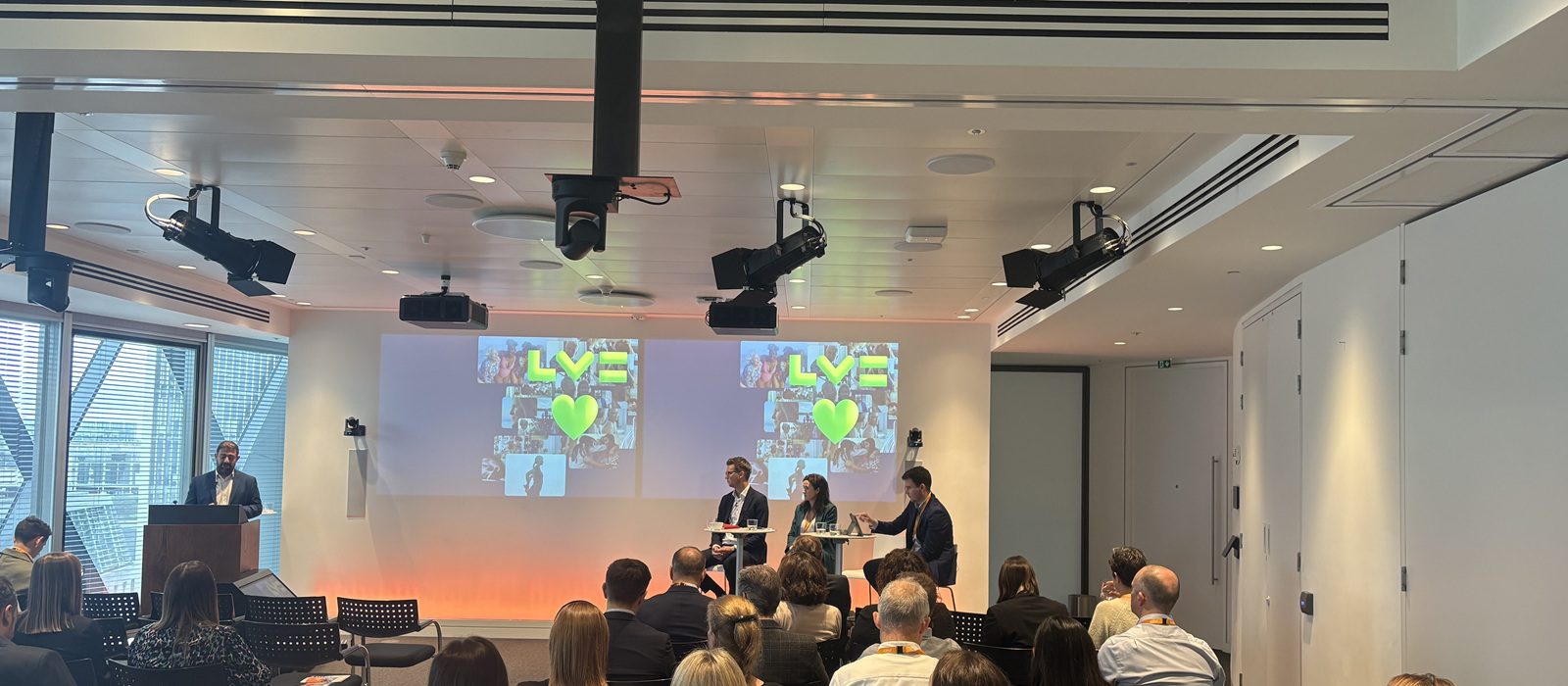
LV=, a leading UK mutual life insurer, exemplifies the integration of ESG principles into core business strategy, investment management, and member engagement. The company’s sustainability journey began in earnest in 2018, with an acceleration in response to evolving regulatory requirements and growing stakeholder expectations.
LV=’s responsible investment framework is central to its approach, guiding the selection of investment partners and products through a sustainability lens. The company’s flagship investment product, the Smooth Managed Fund, is designed to deliver stable, long-term returns while incorporating ESG criteria. Member surveys play a crucial role in shaping investment strategy, revealing a growing preference for sustainable and impact investments, even when this may involve a trade-off with maximising financial returns.
Diversity, equity, and inclusion are also key pillars of LV=’s sustainability agenda. The company has launched initiatives such as “Invest in Women” and social mobility partnerships, recognising the business and societal benefits of a diverse workforce and inclusive culture. These efforts are supported by transparent reporting and regular engagement with members to ensure that the company’s actions align with stakeholder values.
LV= is acutely aware of the challenges of execution, particularly in navigating regulatory uncertainty and aligning sustainability with long-term business growth. The company adopts a “fast follower” approach, learning from industry leaders and adapting best practices to its own context. This pragmatic strategy enables LV= to balance innovation with risk management, ensuring that sustainability remains a source of competitive advantage.
The experiences of Länsförsäkringar, IPB Insurance, and LV= illustrate that sustainability, when embedded strategically, can become a powerful differentiator in the insurance and financial services sectors. By aligning business objectives with environmental and social impact, these organisations are not only responding to regulatory and stakeholder pressures but also shaping a more resilient, inclusive, and sustainable future for their members and communities.
Speakers:
- Kristofer Dreiman, Chief Sustainability Officer, Länsförsäkringar (Sweden)
- Laura Smith, Head of Sustainability, IPB Insurance (Ireland)
- Adam Ruddle, Chief Investment Officer, LV= (United Kingdom)