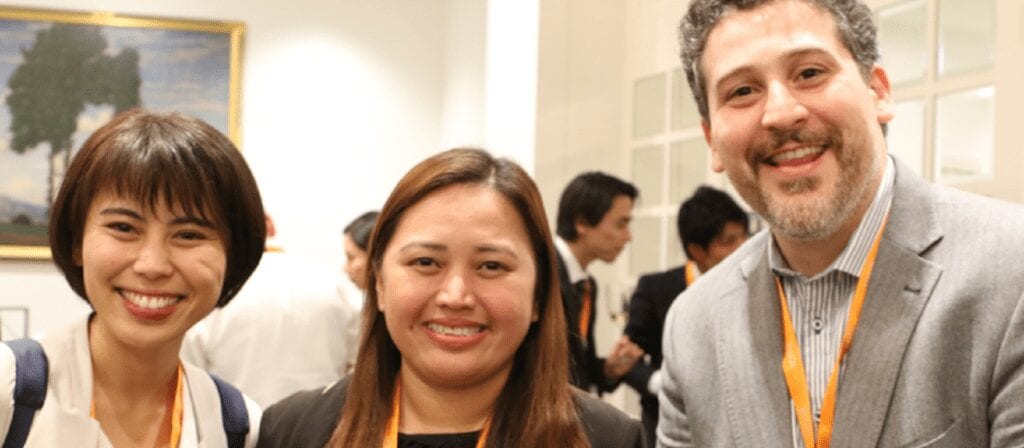

Virginia Lingiardi shares her journey from being a Young Leader Programme participant to becoming a facilitator and the value for both her and her organisation.
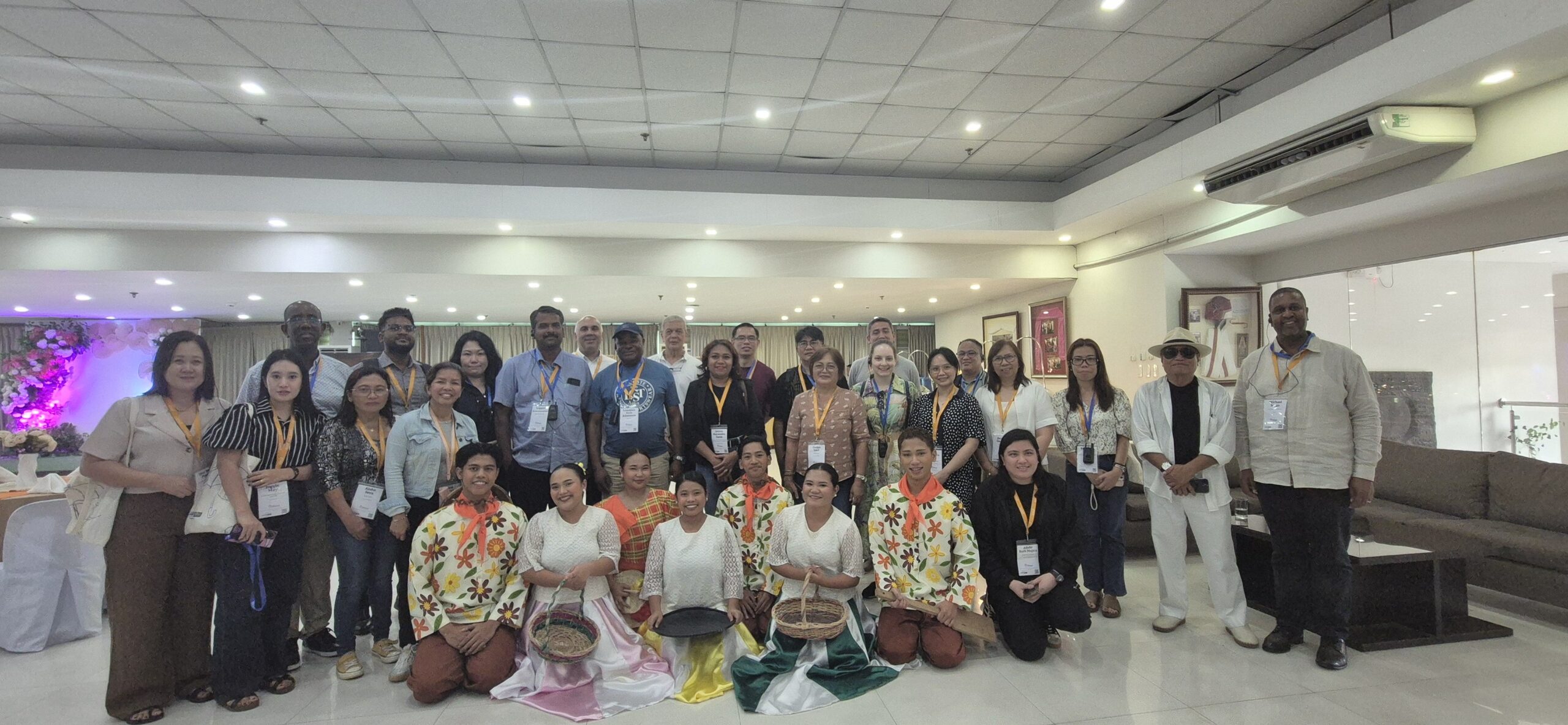
I still remember my first ICMIF Young Leaders event. At the time, I was leading La Segunda’s innovation office, and we had embarked on an innovation programme, which also involved organising a hackathon. As we were early in our innovation journey, it was really enriching to talk to other young leaders doing similar work in their own organisations. For example, I exchanged experiences with a fellow young leader from Unipol (Italy), who had been developing start-ups and leading innovation projects. That exchange continued beyond the Young Leaders Programme. I also connected with a fellow young leader from Switzerland, who later visited La Segunda’s office in Argentina and met colleagues from across different areas of the business. They were interested in gaining insights from someone working in another country.
When it came to sharing experiences, we realised we had a lot of similarities. We are often critical of our own organisations and think we are lagging behind. But when we come together with other organisations, we realise that this is not always the case. In some areas, we are moving forward in different ways, and those are the moments when we pay attention, connect with others and maintain contact with our peers.
I think these spaces, like most ICMIF spaces, have two important dimensions: first, the in-person space where the programme takes place and experiences are shared; and then the responsibility each participant has to take those learnings back to their organisation and consider how best to make use of them.
From these events, we gain one-to-one meetings and lasting contacts. That is why, when I participated as a young leader, one of my main objectives was to build personal connections.
Another objective was to continue bringing into my organisation the knowledge that ICMIF makes available through the Knowledge Hub and webinars, enabling the whole organisation to access insights from other parts of the world. That really opens your horizons in an exceptional way.
Two years after attending the Young Leaders Programme as a participant, I had the opportunity to help facilitate the programme in Buenos Aires. As a facilitator, I was in my element and incredibly happy to take on this role. It was not without challenges, including presenting in English and responding to the variety of cultures in the room. A facilitator needs to work with what happens in these spaces and draw on the collective intelligence that emerges from them.
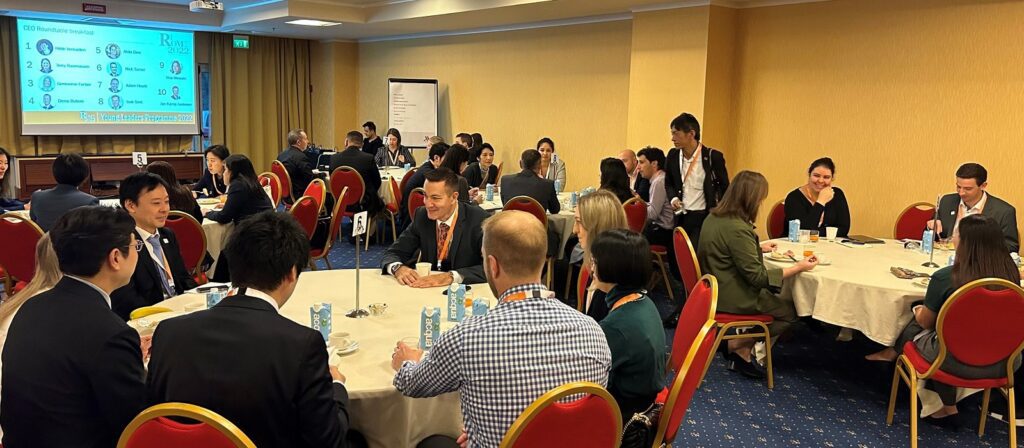
Having attended the event myself, I knew that young leaders may feel uncertain and lack confidence, particularly around what to say and what not to say. For example, at the breakfast with CEOs that is part of the Programme, this can lead young leaders to think, “Oh no, what can I say?”
My objective was to break through this hesitation and encourage these young people to make the most of the opportunity.
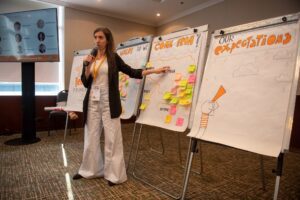
The proposal was simple: let’s help them. We used visual thinking and drawing as a universal language and practical tool and encouraged them to be playful. The approach was a risk that paid off. They were able to relax, work in pairs and connect with each other.
We also talked about what to ask the CEOs as a way of addressing their concerns. Later, we discussed what they had expected and what they would be taking back to their roles and organisations from these conversations.
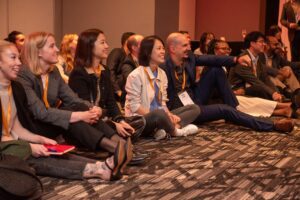
Towards the end of the event, we were all tired, but the aim was to get out of our comfort zones. With that in mind, we all sat down on the floor, in the middle of the foyer, and reflected on the event. The feedback I received was really positive, and for me it was a very rewarding experience.
For me, the question was how to break down these barriers of uncertainty, while also building an agenda together. When there is less uncertainty, and when young leaders can discuss what lies ahead and what they want to take away from the event, the experience becomes more meaningful. It was not an imposed agenda, but one they built together using collective intelligence.
I gained a lot from attending the Young Leaders Programme, as did my organisation. That is why we are sending another young leader to attend the next Young Leaders Programme in Toronto in November. These spaces are open to us, and we must make the most of them.