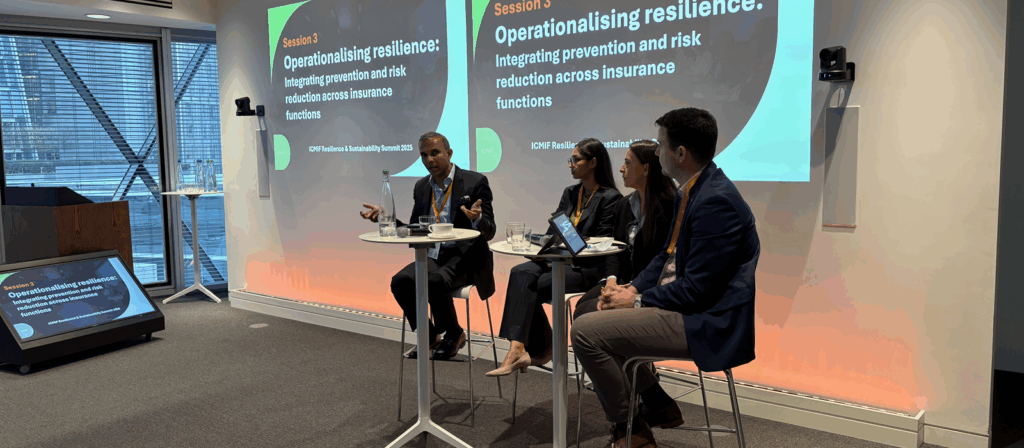
Swiss Re positions resilience as a central theme within the insurance sector, emphasising the need for organisations to embed prevention and risk reduction into their core operations. This integration is not a distant goal but a current necessity, shaping the present and future of insurance.
The enduring role of mutuals
Mutual insurance companies play a unique and compelling role. Their financial model, which focuses on the accrual of solvency and capital, enables a long-term perspective that extends beyond annual cycles to generational concerns. This fiscal sustainability allows mutuals to address issues that require patience and vision.
Unlike stock companies, mutuals are oriented towards delivering sustained stakeholder value. This is evident in their mechanisms for creating lasting impact and in their approach to returning the benefits of success to policyholders. Mutuals are further distinguished by their local touch and deep understanding of their clients, whether serving agricultural communities, regional groups, or specialised associations. This local knowledge enhances their ability to respond effectively to the needs of their members.
Swiss Re notes that mutuals have demonstrated superior growth, outpacing stock companies in markets such as the United States. This growth underscores the strength of their value proposition, particularly in an era marked by instability. Mutuals offer a foundation of stability and trust that is increasingly sought after in uncertain times.
Concrete opportunities for operationalising resilience
Swiss Re identifies three practical lenses for operationalising resilience within insurance: data, claims, and distribution.
- Data: A critical challenge lies in the collection and utilisation of relevant data. While the industry often claims to be data-driven, there remains a gap in capturing fundamental attributes, such as the role of nature in reducing insurance losses. For example, studies have shown that natural habitats can significantly reduce loss severity in coastal areas, yet such factors are rarely included in treaty renewal data. Swiss Re calls for a focus on gathering and leveraging the most relevant data to inform decision-making and drive resilience.
- Claims: Claims administration is another area ripe for innovation. While parametric insurance and rapid claims payment are often highlighted, the day-to-day management of claims presents an opportunity to embed resilience. By considering post-claim actions, such as incentivising better construction or technology, insurers can reduce future losses and enhance long-term outcomes. This approach requires a willingness to invest more in the short term for greater benefits over time, particularly when working with trusted partners like mutuals.
- Distribution: Distribution channels, especially partnerships with banks, play a transformative role in operationalising resilience. Bank assurance has a long history in Europe and is emerging in other regions, yet its potential for distributing innovative products and practices remains underutilised. By leveraging established distribution networks, insurers can increase penetration and ensure that new data and claims practices reach a wider audience.
A call to action
Swiss Re asserts that the journey towards operationalising resilience is ongoing and requires collective effort. Sharing information and best practices across markets, fostering persistent dialogue, and demonstrating the business case for resilience are all essential steps. The insurance industry must prove to the wider world that these opportunities are real and that there are sound business reasons for pursuing them. Only through such commitment can the sector continue to drive meaningful transformation.