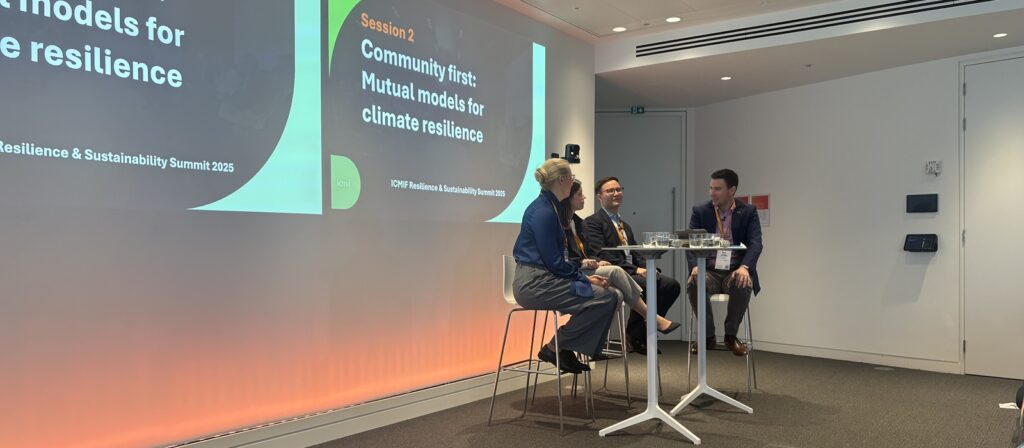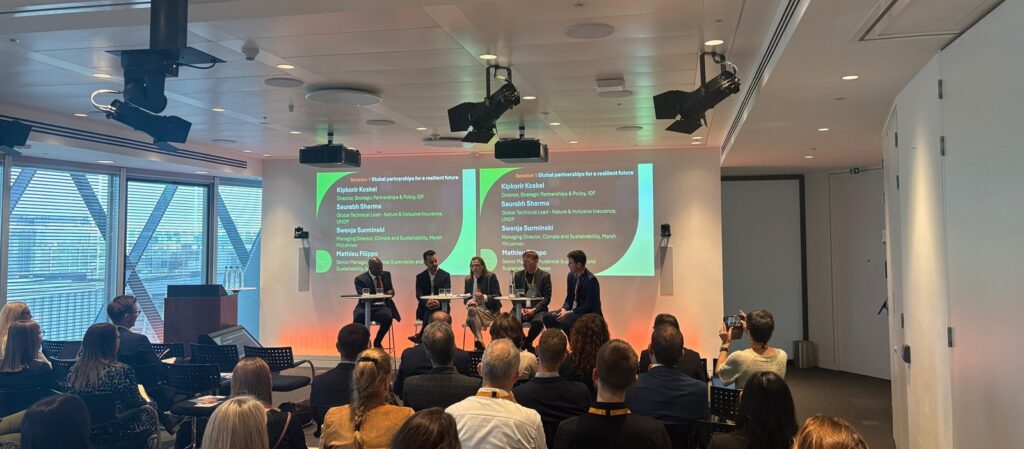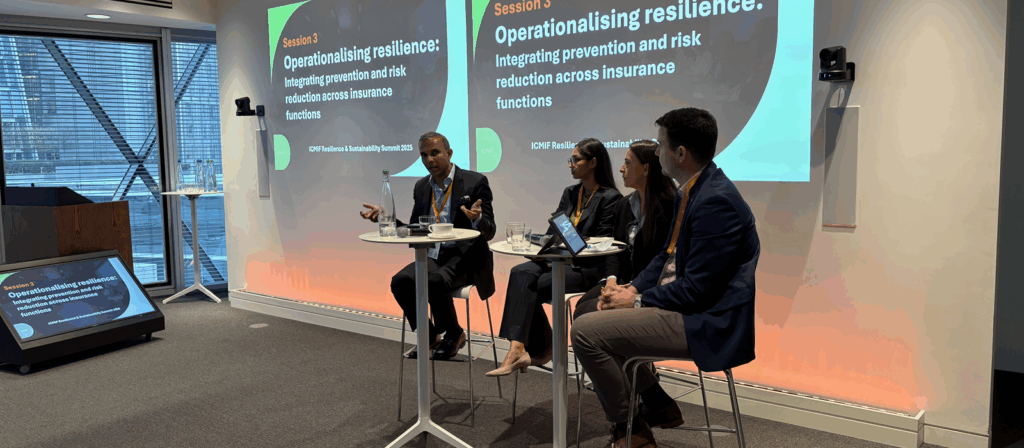
Desjardins, a Canadian financial cooperative, champions mutual models that empower communities to adapt and protect themselves against escalating climate risks. Over the past forty years, Canada has witnessed a marked increase in the frequency and severity of natural catastrophes, with insured losses reaching a record $9 billion in 2024, driven by hailstorms, wildfires, heavy rains, and floods.
Despite the growing threat, climate perils such as wildfire, hail, heavy rain, and floods remain generally insurable and affordable across most regions. However, certain areas, particularly in the west, face mounting pressure on insurance prices and availability. In high-risk zones for hail, nearly 70% of homeowner premiums are attributed to climate, with 60% specifically for hail, highlighting a significant affordability challenge. Flood coverage is also becoming less accessible, with around 10% of homeowners ineligible due to their location in high-risk areas. Groundwater coverage, including sewer backup and water infiltration, is similarly restricted in regions with frequent claims.
Insurance is a vital pillar for the stability of the mortgage market. Without adequate coverage, lenders become hesitant, which in turn affects property values. Enhancing home resilience is therefore essential to mitigate the impact of climate hazards on both the affordability and availability of insurance, and to help maintain property values.
Research has identified effective prevention and mitigation measures for various hazards. For hail, impact-resistant roofing and siding are recommended, while for water damage, sump pumps, backwater valves, and proper grading around homes are vital. Wildfire resilience is supported by fire-resistant materials and non-combustible landscaping, alongside regular maintenance to keep properties clear of debris.
Momentum for climate resilience is growing, supported by organisations such as the Institute for Catastrophic Loss Reduction and the Insurance Bureau of Canada. These bodies conduct research, engage stakeholders, and advocate for resilience initiatives. Government programmes, including the Disaster Financial Assistance Arrangements, now provide extra funds to rebuild with added resilience or relocate uninsurable homes, and support resilience measures even before disasters occur. Provinces and municipalities are developing sustainability roadmaps, publishing risk maps, and encouraging home builders to integrate resilience features into new builds and renovations.
Desjardins has articulated a clear ambition to lead action on resilience, focusing on three pillars: client awareness and education, prevention and risk mitigation, and societal influence. Client education is considered essential, guiding individuals from awareness to action. Surveys reveal that while half of Canadians have heard of home resilience, only 6% understand its meaning, highlighting the need for tailored approaches based on regional realities.
Prevention and risk mitigation are advanced through insurance solutions that assess individual home risks and incentivise resilient rebuilding. “Build back better” offers provide extra funds for resilient materials after losses, with favourable impacts on pricing and underwriting. Despite their benefits, uptake remains low, prompting further investigation into barriers and communication strategies. Additionally, digital tools send alerts and advice to users before, during, and after severe weather events, integrating resilience content to support clients.
Societal influence is achieved by engaging governments, insurers, and home builders in collaborative efforts. Examples include partnerships with municipalities to address recurring water damage and work with home builders to embed resilience in construction practices. These conversations may contribute to evolving building codes, ensuring resilience is embedded in future developments.
In summary, Desjardins demonstrates that mutual models for climate resilience in Canada rely on coordinated action across sectors, informed by research, and driven by a commitment to community empowerment. By joining forces, stakeholders can succeed in making the country more resilient to climate change.